
December 25, 2025

CORPORATE ACTION: Amazon
Inside Amazon’s Plastic Reduction Push
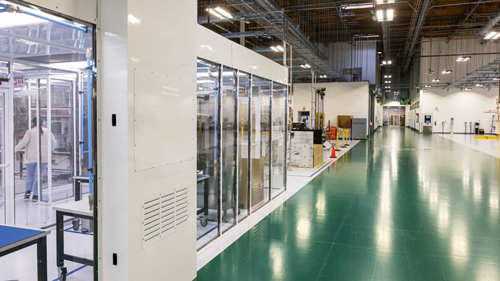 Amazon is ramping up efforts to reduce plastic packaging across its operations with initiatives including paper-based mailers, right-sized packaging and trials to eliminate single-use plastic in deliveries. Progress has been uneven, but Amazon says data and automation are helping cut unnecessary material. Given its scale, even incremental changes have a major impact. In its most recent report, Amazon said it reduced single-use plastic delivery packaging by 16.4% globally versus the previous year, and it eliminated inflated plastic pillows in packaging, replace them with scrunched recycled paper. By 2024, 37% of shipments contained single-use plastic delivery packaging, down from 65% in the prior year.[Image Credit: © Amazon.com, Inc. or its affiliates]
CORPORATE ACTION: PepsiCo
Dutch Beverage Startup Secures Major Funding
 Dutch beverage technology company Founteyn raised €19.3 million with support from PepsiCo, to develop a patented system that produces fresh drinks on demand, eliminating the need for canned and bottled beverages. Founteyn claims the system brews hot and cold, still and sparkling beverages in under 15 seconds using capsules, reducing by 80% the weight, volume and packaging of single-serve drinks, and more than halving CO2 emissions.[Image Credit: © APG/Founteyn]
CORPORATE ACTION: Unilever
Unilever On Recycled Plastic Challenges
 Unilever outlines the technical and supply challenges of using recycled plastic at scale. Issues include inconsistent quality, limited availability and higher costs compared with virgin plastic. It says collaboration with suppliers, long-term contracts and design changes are key to progress and that, despite hurdles, Unilever says it remains committed to increasing recycled content to cut plastic waste and emissions. [Image Credit: © Unilever]
Unilever In India Pushes Circular Plastics Economy
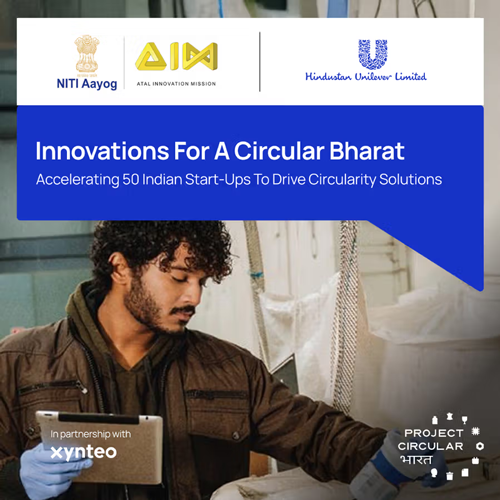
A collaboration between Hindustan Unilever and NITI Aayog’s Atal Innovation Mission (AIM) supports circular economy initiatives in India with a plan to promote innovation, startups and pilot projects focused on waste reduction, recycling and reuse. This initiative is a part of HUL’s Project Circular Bharat and will support 50 circular economy start-ups for three years, prioritizing innovations in plastic recycling, reuse and refill models and next-generation packaging materials. [Image Credit: © Unilever]
Coastal Cleanup Highlights Plastic Waste
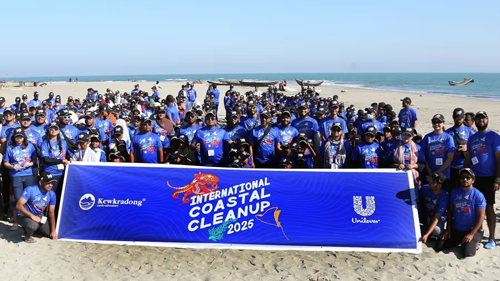
Unilever Bangladesh and Kewkradong Bangladesh led the International Coastal Cleanup 2025 at St. Martin's Island, a sensitive coastal area in the country. 500 volunteers from universities and local communities remove almost two tonnes of debris from the beaches.[Image Credit: © Unilever]
Testing Corporate Sustainability Claims
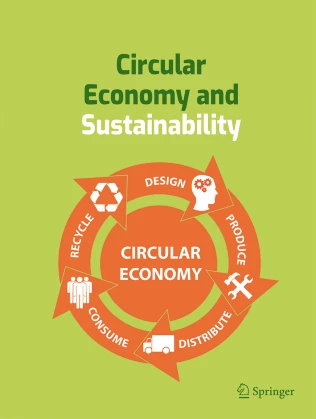
A study evaluating sustainability efforts at Ikea, Patagonia and Unilever looks at goals and actions. It found that Unilever achieved “48% overall embodiment” including 34% embodiment on sustainability through initiatives like halving plastic packaging while maintaining growth targets, 72% for ecosystem relationships, public-private partnerships and community development programs, and 50% for innovation, with new product development aligning with consumer preferences with environmental benefits.[Image Credit: © Springer Nature]
CORPORATE ACTION: Other
Wild's Marketing Strategy Examined
 A case study on the marketing approach of Wild, a sustainable personal care brand, says strategy focuses on refillable deodorant products and reduced packaging. Wild's approach demonstrates how brands can build customer loyalty through authentic environmental messaging and innovative product designs that deliver on sustainability claims: “So if brands can learn anything from Wild, it is to build a product that actually works because consumers might care about sustainability, but not enough to buy that product specifically”.[Image Credit: © Wild UK]
Body Shop India Expands Refill Network

The Body Shop India announced plans to increase its refill station presence while targeting significant revenue growth over five years. Refill stations represent a core element of the retailer's environmental strategy in India as it plans to open new stores across metros and tier two cities, and to make the brand more accessible to younger shoppers as well as its existing customers.[Image Credit: © The Body Shop]
CAMPAIGNS, COMMITMENTS & NGOs
Beauty Brands Urged To Join UK Packaging Program

The British Beauty Council and MYGroup, a waste management company, launched a nationwide take-back program for cosmetic packaging and are asking UK beauty brands to join up. Targeting hard-to-recycle containers not typically recycled, the program aims to capture packaging materials that would otherwise end up in landfills or incinerators. [Image Credit: © Anna from Pixabay]
EPR Programs Favor Recycling Over Reuse
 The Ellen MacArthur Foundation released a policy brief criticizing Extended Producer Responsibility schemes for prioritizing recycling when reuse and repair options would preserve more value. Current EPR fee structures push materials toward recycling systems rather than supporting higher-value circular approaches. The Foundation argues that existing frameworks fail to incentivize reuse pathways effectively and calls for reformed fee structures that promote keeping products in use longer. [Image Credit: © Ellen MacArthur Foundation]
BloombergNEF Finds Companies Slipping On Circular Plastics Commitments
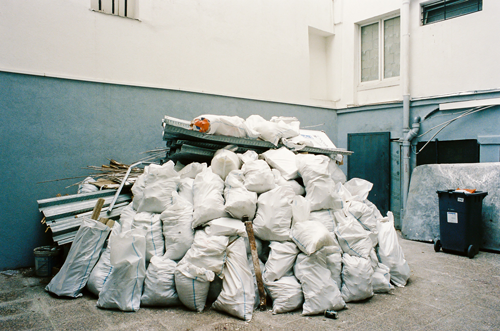
BloombergNEF evaluated 40 companies, including 20 brand owners and 20 plastic producers, on progress toward circularity in plastics, examining how they are converting pledges into implementation. Brand owners that are falling behind versus the 2024 assessment include PepsiCo, Coca-Cola and Unilever, which retreated from earlier sustainability commitments. [Image Credit: © Barthelemy de Mazenod on Unsplash]
PACKAGING REDESIGNS
Australia Urged To Develop Reusable Packaging
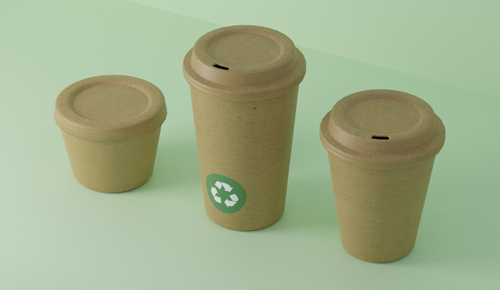 Following publication of the NSW Plastic Plan 2.0, Boomerang Alliance calls on all state and territory governments to implement policies promoting reusable packaging. Current packaging systems lack sufficient support for reusable alternatives and a fragmented approach hinders progress toward reducing single-use packaging. Proponents of reuse believe national coordination is essential for scaling reusable packaging solutions effectively throughout Australia.[Image Credit: © Chamfjord on Unsplash]
Clean Beauty Bets On Refills
 Several clean beauty brands are expanding refillable packaging to cut single-use plastic and keep customers engaged, with refill formats such as cartridges, pouches and in-store refill stations. Operational challenges include logistics, pricing and educating shoppers about reuse, but rather than framing refills as a niche option, the brands featured treat them as core product lines. Brands features include Mugler, Kjaer Weis, Fenty Beauty and Charlotte Tilbury.[Image Credit: © AdoreBeautyNZ from Pixabay]
POLICY, REGULATION & LEGAL
Will Federal EPR Gain Traction?
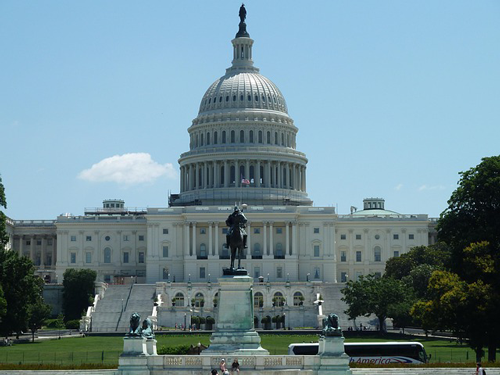
Momentum builds in the US around the idea of a federal extended producer responsibility (EPR) framework for packaging, but major hurdles remain. Supporters argue a national system would reduce complexity and improve recycling outcomes, while critics worry about costs and implementation. Recent state-level activity increases pressure on Congress to act and the debate highlights growing frustration with the current patchwork of rules. [Image Credit: © Jacqui from Pixabay]
California Implements Total Plastic Bag Ban
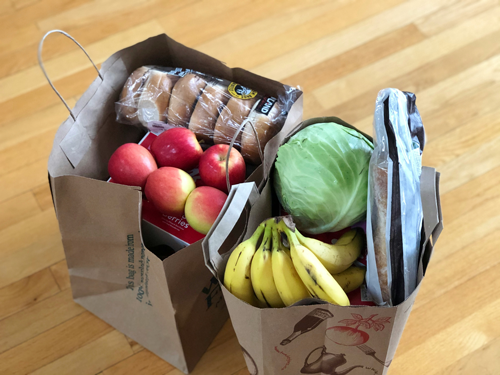
California will enforce a complete ban on plastic bags starting January 2026, under Senate Bill 1053, with retailers facing daily fines for violations. The new regulation eliminates all plastic bag options at retail locations throughout the state and represents one of the strictest plastic bag regulations in the US. [Image Credit: © Maria Lin Kim on Unsplash]
Regulators Ban Misleading Environmental Advertising
 UK advertising regulators prohibited promotional materials from Nike, Superdry and Lacoste for containing statements that regulators thought misrepresented the products' environmental attributes. Nike’s advert promoting tennis polo shirts with a tagline that mentioned sustainable materials, which Nike claimed highlighted the wider sustainability of its products generally. The ASA concluded Nike failed to adequately explain this.[Image Credit: © ASA and CAP]
RESEARCH
Private Labels Embrace Sustainable Innovation
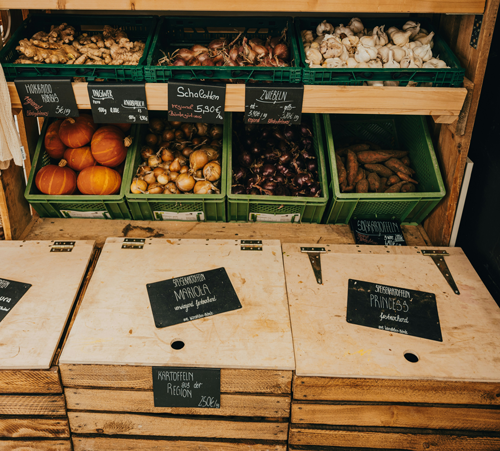
Euromonitor published research on how private label brands are incorporating sustainability into products and packaging, in response to earlier research on what consumers see as obstacles to sustainable purchases: higher prices, unclear labelling and distrust over claims. Private label manufacturers are responding to consumer demand for environmentally responsible options and store brands are positioning themselves as leaders in sustainability initiatives to secure competitive advantage. [Image Credit: © Konstantin Volke on Unsplash]
Recycling Technologies Position Paper Released
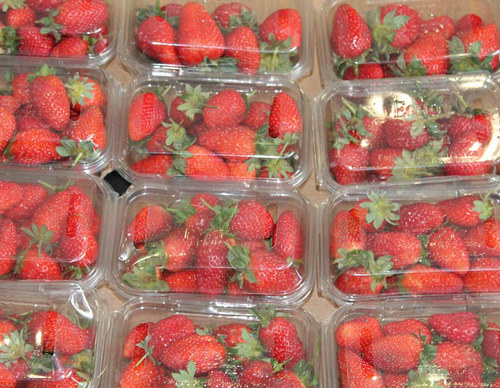 The US Plastics Pact’s paper on physical and chemical recycling's role in creating circular systems for plastic packaging addresses how different recycling methods can contribute to reducing plastic waste. It provides guidance for industry stakeholders evaluating recycling technology investments. The publication aims to clarify the potential and limitations of various recycling approaches for plastic packaging materials and concludes both physical and chemical recycling “are options for materials that cannot be feasibly addressed through reduction, reuse, and mechanical recycling”. [Image Credit: © Daniel Albany from Pixabay]
More...





Copyright 2026 Business360, Inc.