
March 25, 2026

CORPORATE ACTION: Colgate
Colgate Advances Resin Innovation
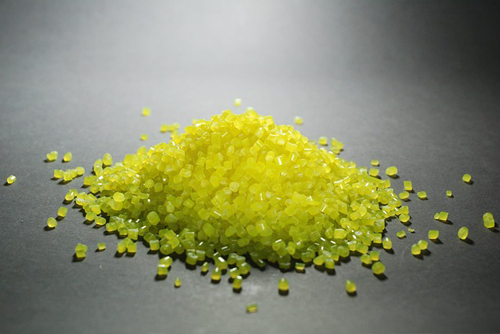 Colgate-Palmolive talked about material innovation at The Packaging Conference in Austin, Texas, highlighting how it is combining resins in new ways to enhance packaging performance. It is integrating cyclic olefin copolymer (COC) with HDPE. HDPE is used widely for rigid packaging because of its chemical resistance, durability and recyclability, but it has thermal behavior limitations for blow molding. Adding COC “increases the storage modulus of HDPE blends at elevated temperatures…helps maintain stiffness in the temperature range where HDPE alone would soften rapidly”.[Image Credit: © Adrian Malec from Pixabay]
CORPORATE ACTION: Danone
Investor Report Assesses Danone, Henkel And P&G On Plastic
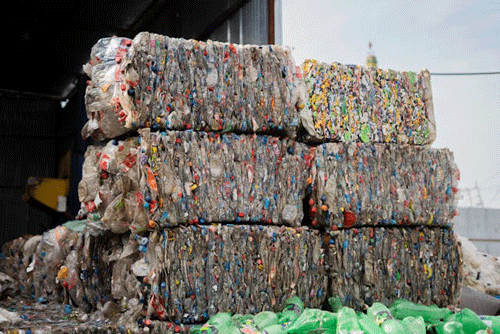 Investment manager Triodos Investment Management published a report assessing the progress of Danone, Henkel and P&G against their stated plastic packaging commitments, such as reducing virgin plastic use, increasing recycled content and expanding reusable packaging. Triodos, which engages with companies on environmental, social and governance issues on behalf of investors, uses the assessment to guide its engagement strategy. The report identifies areas where each company is on track and areas where progress has stalled or targets have been revised.[Image Credit: © Gaurav Ranjitkar on pexels.com]
CORPORATE ACTION: Estee Lauder
Aveda Launches Refillable Packaging With AeroFlexx
 Haircare brand Aveda, part of the Estée Lauder Companies, announced a partnership with flexible packaging innovator AeroFlexx to develop a new refillable packaging system. AeroFlexx's technology uses a rigid-meets-flexible format designed to maintain product integrity while significantly cutting the amount of plastic used per unit compared to traditional bottles. The partnership is part of Aveda's broader effort to advance circular packaging across its product range.[Image Credit: © Digital Media Innovations, LLC.]
CORPORATE ACTION: L’Oréal
LOreal Partners With Startup To Make Plastic From Captured CO2
 Cosmetics company L'Oréal signed a multi-year partnership with French-American cleantech startup Dioxycle to transform captured carbon emissions into sustainable packaging materials. Dioxycle uses carbon electrolysis to convert recycled carbon emissions, water and renewable electricity into ethylene, a key building block of polyethylene, the world's most widely used packaging plastic. L'Oréal says the partnership will support its target to reduce virgin plastic use in packaging by 50% by 2030. [Image Credit: © SYSHLWO MSRPSL SUNGA Creative Commons]
Sustainable Shopping Goes Mainstream
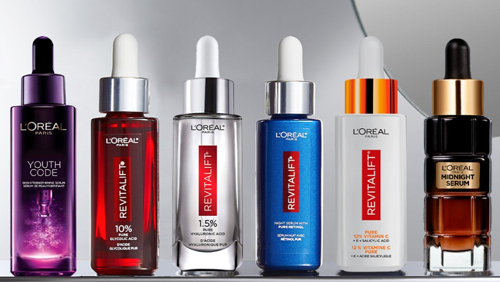 Euromonitor reports that sustainable purchasing behaviors are now more common, with consumers increasingly factoring environmental impact into buying decisions. Packaging plays a major role in this, especially around plastic waste, recyclability and refill options. Price still matters but shoppers expect brands to reduce virgin plastic and offer responsible packaging solutions. “Zero Wasters” make up a significant share of consumers and expect brands to help them reuse or recycle packaging. [Image Credit: © L'Oréal Paris]
CORPORATE ACTION: PepsiCo
PepsiCo Boosts Recycling At Super Bowl
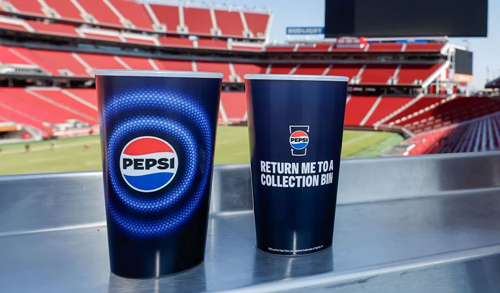 At Super Bowl LX, PepsiCo showcased its large-scale event recycling strategy, aiming to capture and recycle more plastic packaging from fans. The company worked with partners to collect bottles, cups and food packaging. Efforts included improved sorting, clear signage and infrastructure to divert waste from landfill. During the season, PepsiCo worked with the San Francisco 49ers to pilot a reusable cup at the Levi’s Stadium. At the NFL’s fan festival in San Francisco, Super Bowl Experience, PepsiCo used Oscar Sort AI units to help fans identify the correct place to put discarded packaging.[Image Credit: © PepsiCo]
CORPORATE ACTION: Procter & Gamble
Tide Reinvents Detergent Packaging For Evo
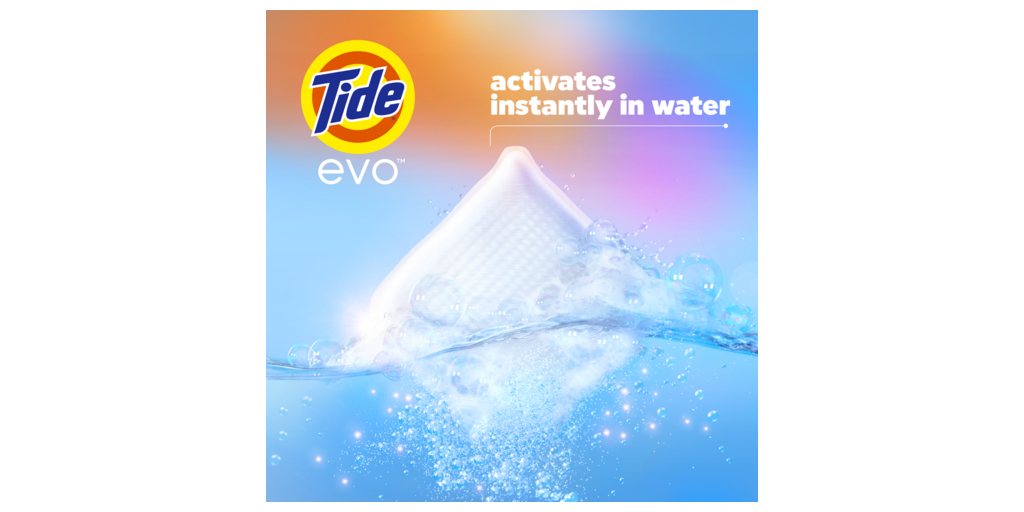
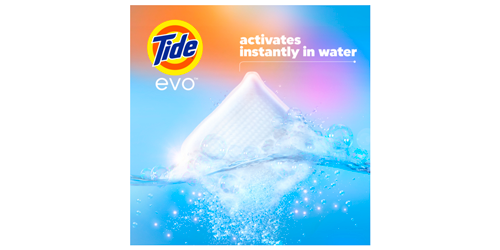 Tide introduced Tide evo, a fiber-based detergent tile packaged in recyclable, FSC-certified paperboard, eliminating the need for a traditional plastic bottle. It’s a lightweight format that helps reduce plastic use and shipping emissions. The press release says that “every aspect of Tide evo — from its lightweight, compact form to its curbside recyclable paper packaging — was crafted for simplicity and inclusivity.” [Image Credit: © Procter & Gamble]
CORPORATE ACTION: Unilever
Greenpeace Criticizes Unilever's Plastic Sachet Progress
 Greenpeace responded to Unilever's Annual Report and Accounts 2025 by criticizing the company's plastic sustainability targets, claiming they fail to match the scale of its plastic problem. Greenpeace's Global Plastics Campaign Lead said Unilever's move to swap some sachets for paper alternatives was a "false solution" that replaces one single-use material with another. Greenpeace called on Unilever to create a clear roadmap to phase out all single-use sachets and scale up reuse systems, and to support a Global Plastics Treaty that cuts plastic production at source. [Image Credit: © Unilever]
Unilever Equips Waste Collectors With Safety Gear in Bangladesh
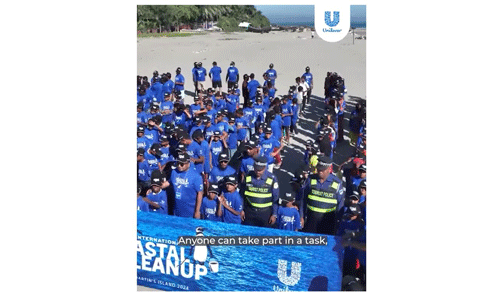
Unilever Bangladesh gave over 1,600 waste collectors in the city of Chattogram safety gear as part of an initiative to support the informal waste sector while addressing plastic pollution. The program is part of Unilever's broader "Action, Partnership and Youth Voices Against Plastic Pollution" campaign in Bangladesh. [Image Credit: © Unilever]
Dove Launches Refillable Deodorant
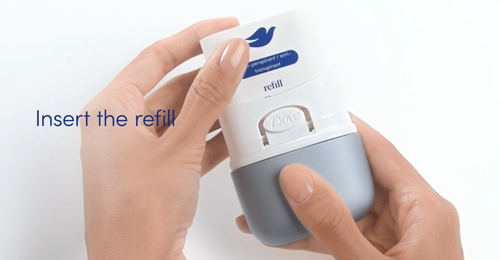 Dove introduced its first refillable anti-perspirant range, using a durable outer case with replaceable refills designed to reduce plastic use over time. It will launch in February 2026 with three starter kits, each comprising a case and one 35ml refill in a range of different scents. Shoppers can also buy standalone refills. Chris Barron from Unilever’s Personal Care unit in the UK&I says the launch builds on efforts to grow its acquired Wild brand: “Together, Dove and Wild allow us to broaden the appeal of refills and accelerate category growth. Our vision at Unilever is for refills to become a significant pillar of the deodorants category.” The launch will be supported by a £7.5m social‑first campaign from March. [Image Credit: © Unilever]
CORPORATE ACTION: Other
Clean Cult Expands Refillable Aluminum Range In US Stores
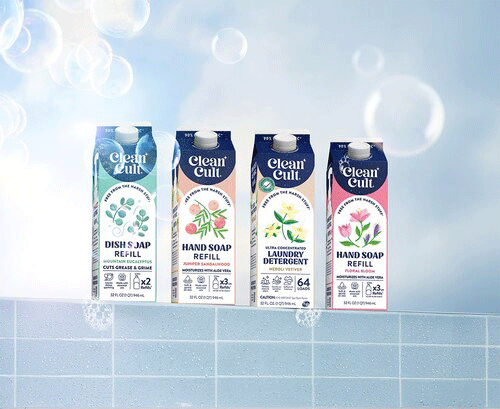
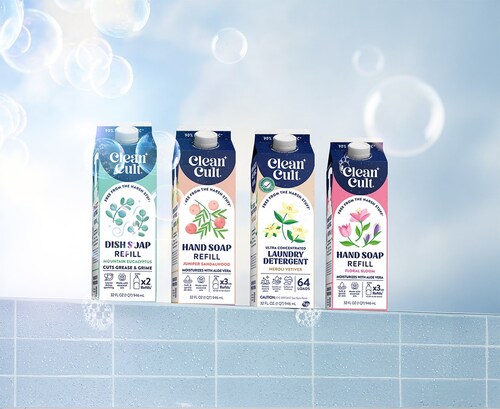
US cleaning brand Clean Cult’s new fragrances across laundry detergent, dish soap and hand soap lines are all packaged in its refillable aluminum bottle and paper-based carton refill system. Clean Cult says this reduces single-use plastic use by up to 90% versus conventional plastic bottles. The range is now available through major retailers including Costco, Target, Kroger and Whole Foods, as well as Amazon.[Image Credit: © Clean Cult/PRNewswire]
SC Johnson Details Circular Packaging Design Strategy
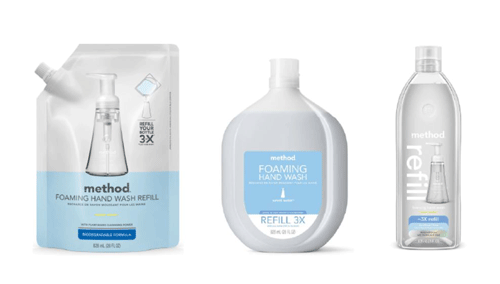 SC Johnson blogged about its lessons of designing packaging for circularity across its product platforms. It stressed the importance of persevering to create better consumer experiences that make it easier for people to adopt circular solutions. For example, with its method brand, it reworked the bottle’s shape and redesigned the label and color system to make refilling easier and more intuitive. SC Johnson is targeting 55% inclusion of recycled content in plastic packaging and a 55% reduction in virgin plastic, compared to 2018 levels.[Image Credit: © S.C. Johnson & Son, Inc.]
Youth Program Targets Ocean Plastics
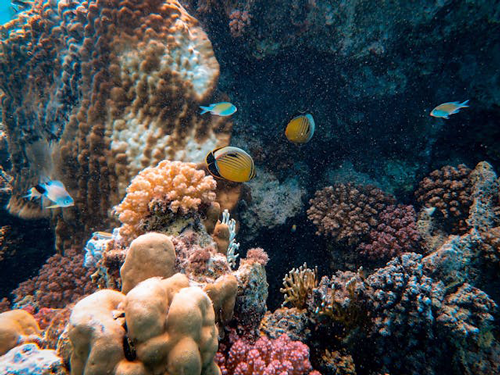
The 2026 Marine Plastics Ambassadors Program, backed by SC Johnson and EarthEcho International, supports US youth leaders working to reduce plastic pollution. It’s a six-month initiative focusing on policy advocacy, education and community action. Participants can compete for funds of up to $4,000.[Image Credit: © Francesco Ungaro from pexels.com]
UK Cracks Down On Green Claims
 The UK’s Advertising Standards Authority upheld complaints from P&G against sustainability claims made by brands Kit & Kin, founded by Emma Bunton of Spice Girl fame, and Cheeky Panda, signaling stricter enforcement on environmental marketing. The ruling reinforces conditions that packaging claims must be clear, accurate and substantiated. Kit & Kin published a web ad last year with claims about the environmental impact of its nappies. The Cheeky Panda made similar claims for its nappies and baby wipes. [Image Credit: © The Cheeky Panda]
SC Johnson Urges Global Treaty Action
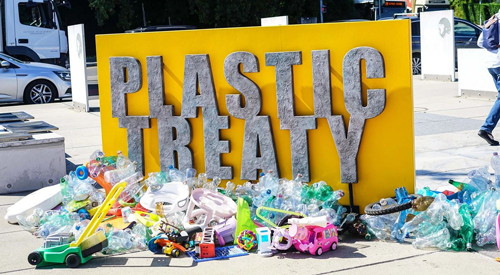 Corporate voices are increasingly shaping discussions around the Global Plastic Treaty negotiations. SC Johnson is one company that calls for stronger global action as negotiations continue, emphasizing the need for binding commitments, improved waste management systems and design standards that reduce plastic leakage. It cites data that suggest that plastic production will triple by 2060 if current trends continue and “every year without a global framework makes the issue more challenging to solve”. SC Johnson says reaching a treaty was never going to be easy and requires “businesses, policymakers, NGOs and everyday people - working together to move from awareness to advocacy and from urgency to action”.[Image Credit: © S.C. Johnson and Son, Inc.]
CAMPAIGNS, COMMITMENTS & NGOs
Sri Lankan Brand Launches Refill Pouches To Cut Plastic

Sri Lankan consumer goods company Darley Butler, the FMCG unit of E B Creasy & Co., launched "We Must Change", a campaign running alongside island-wide refill pouches for four household brands: Teepol, Bio Clean, Softny and Bubble All Out. Darley Butler says using refill pouches could reduce rigid plastic use by up to 70% when compared with buying new bottles each time. Refill pouches became available from March 6, 2026, across both modern and general trade outlets throughout Sri Lanka.[Image Credit: © Darley Butler & Co. Limited]
Australia Renews Push For Circular Packaging Economy
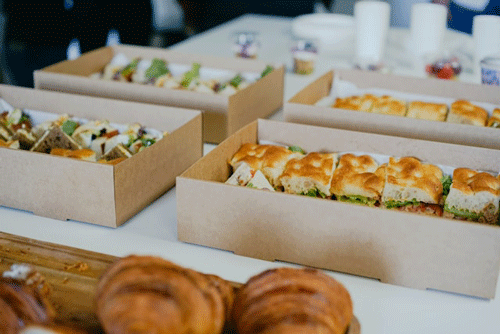 Australia's Department for Climate Change, Energy, the Environment and Water updated its circular packaging strategy, reaffirming its commitment to help the packaging industry reduce single-use plastic, increase recycling and introduce deposit return and extended producer responsibility schemes, in line with Australia's National Packaging Targets. DCCEEW plans to phase out single-use plastics and harmful chemicals in packaging, and to harmonize deposit return schemes and curbside collection across states and territories. One industry commentator says the country’s plastic recycling industry is at a "tipping point."[Image Credit: © Thriday on Unsplash]
Cities In Three Countries Adopt Reusable Container Systems
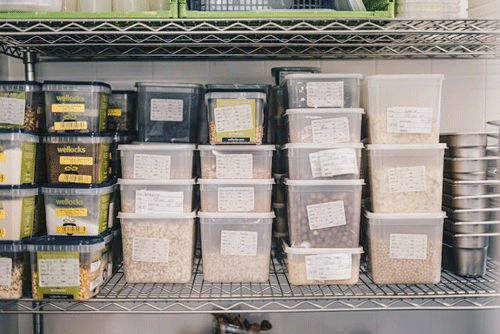 An Earth.Org report examines how municipalities in Hong Kong, Portugal and Canada are responding to regulations on single-use plastics by adopting reusable container platforms. With regulations on single-use food packaging launched in 2024 in places including the EU, Hong Kong and Toronto, local communities have increasingly turned to "Reuse as a Service" platforms that provide reusable cups and bowls, handle collection and sanitation and use QR codes for tracking. [Image Credit: © Ambitious Studio* | Rick Barrett from unsplash.com]
Roadmap To Recycle Flexible Plastics

A new report by the Alliance to End Plastic Waste highlights three key levers to unlock flexible plastic recycling: separate collection systems, mandatory PCR targets and strong and modulated EPR programs. The report argues that coordinated policy and investment can significantly improve recovery rates and calls for design-for-recycling standards and end-market development for recycled material. [Image Credit: © ALLIANCE TO END PLASTIC WASTE, INC.]
Germany’s Plastic Recycling Progress
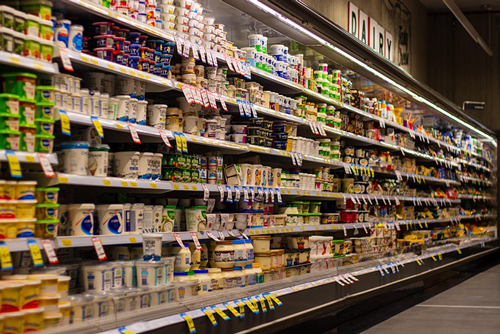 According to latest data from the German Environment Agency and the Central Agency Packaging Register, Germany’s recycling rate for plastic packaging in 2024 was 70%, up from 42% four years earlier. Over half of plastic packaging, tinplate and aluminium collected using the yellow bin system is recycled. The rest is incinerated for energy recovery. Both agencies, however, said there was much room for improvement, and expect the EU Packaging and Packaging Waste Regulation to tighten recyclability requirements. [Image Credit: © Squirrel_photos from Pixabay]
Japan Advances Recycled Plastic Strategy
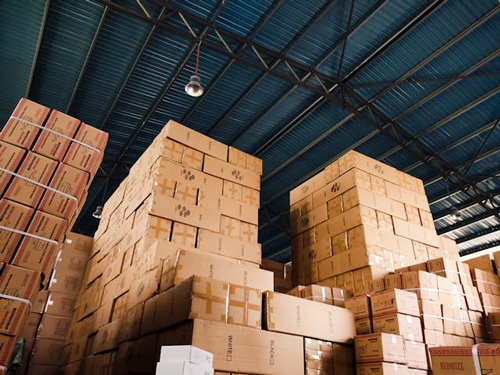
Japan is signaling new steps to expand recycled plastic use in packaging, aligning policy with circular economy goals. The government is considering measures to increase demand for recycled resin and reduce reliance on virgin plastic. Industry players are watching closely as potential mandates or incentives could reshape supply chains. Improved collection systems and quality standards are also under discussion.[Image Credit: © Ihsan Adityawarman from pexels.com]
Fragrance Recycling Goes Nationwide
 MYGroup and Selfridges are launching a nationwide fragrance recycling scheme, called Reselfridges Recycle, in the UK to capture hard-to-recycle perfume packaging. Fragrance bottles often combine glass, plastic and metal, making recycling complex. The program aims to collect used containers, often excluded from kerbside collections and in-store return schemes, and recover materials that might otherwise go to landfill. The rollout across Selfridge’s stores nationwide follows a trial at its store in Manchester’s Trafford Centre last year.[Image Credit: © MYGroup (GB) Limited]
Ottawa Pilots Citywide Reuse System
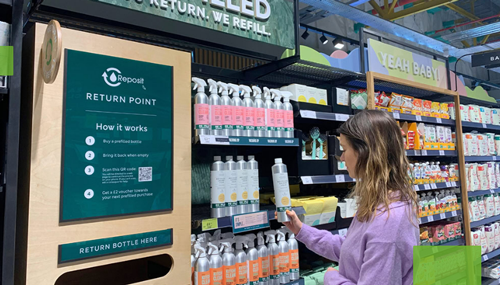 The Plastic Waste Coalition and Reposit are partnering to pilot a city-scale reusable packaging system in Ottawa to test standardized containers, return logistics and digital tracking across multiple retailers. It’s expected to launch in the third quarter of 2026 and aims to reduce single-use plastic waste by making reuse convenient for both businesses and consumers. If successful, the model could be replicated in other cities. Participating retailers include Loblaws and Walmart Canada. Brands include L’Oréal, Procter & Gamble and Unilever. [Image Credit: © Reposit]
CONSUMER & PUBLIC OPINION
US Survey Links Eco-Friendly Packaging To Consumer Trust
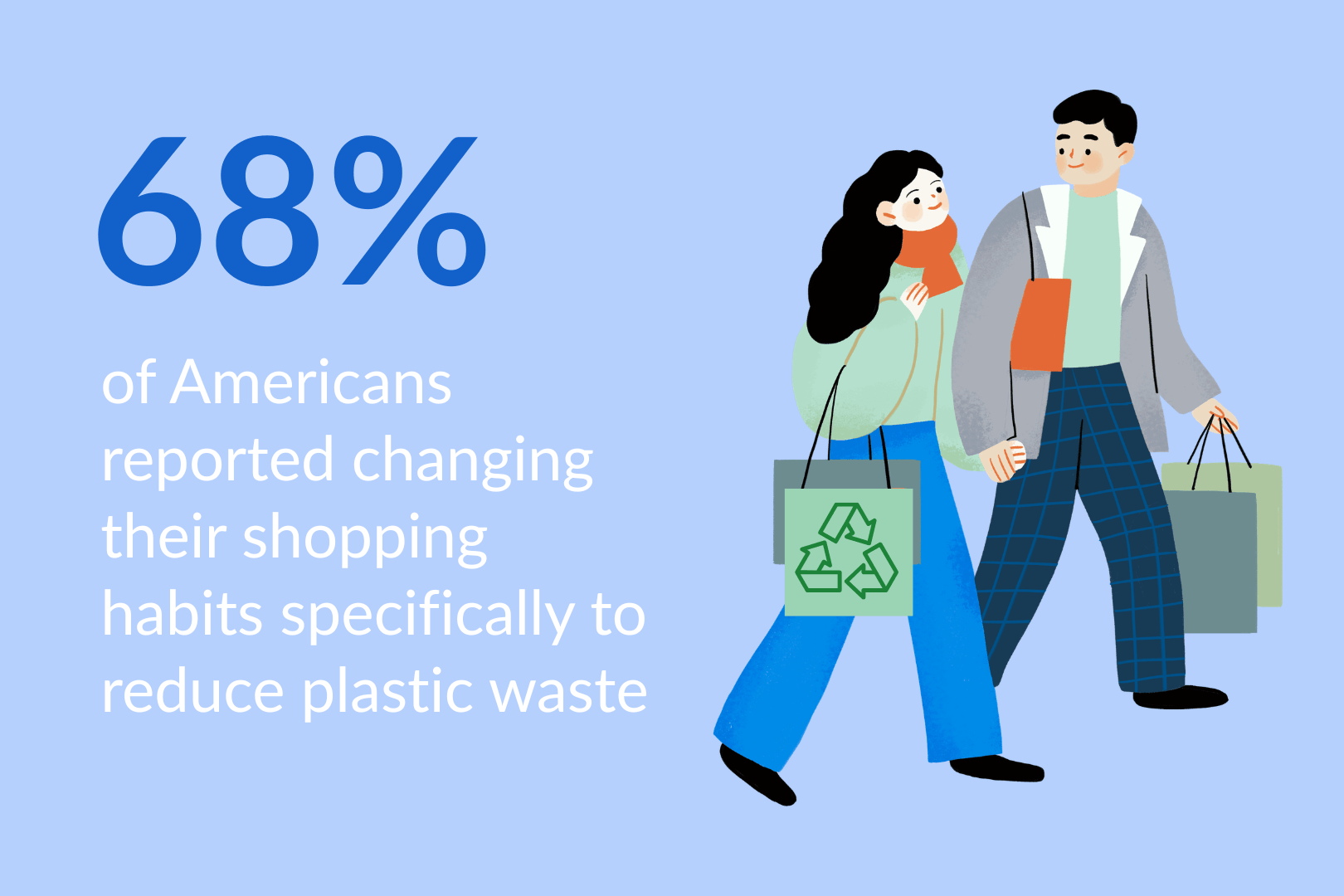
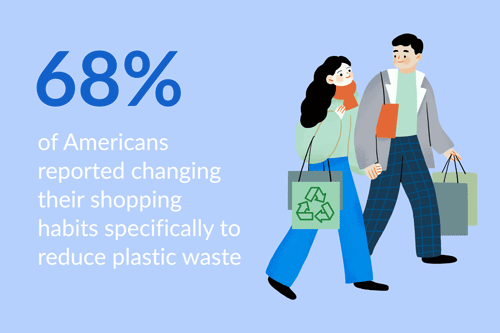 Printing company UPrinting surveyed 1,000 US adults in October 2025 on sustainable packaging and purchase behavior. It found that 68% of Americans have changed how they shop to reduce plastic waste, and 77% say they trust brands more when packaging appears eco-friendly. At equivalent prices, 50% of respondents choose the more sustainable-looking product, and 32% say they would pay 6–10% more for sustainably packaged goods. Among younger respondents, 53% of Gen Z shoppers said they had stopped buying from brands that use excessive plastic packaging.[Image Credit: © UPrinting.com]
Europeans Back Recycled Plastic Packaging
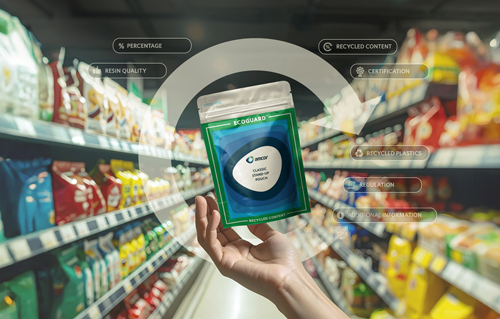 New consumer research from Amcor Europe shows strong public support across Europe for post-consumer recycled plastic in everyday packaging. Most shoppers say they prefer products made with recycled content, and 76% of respondents said they intentionally buy products with recycled material in their packaging. Consumers expect brands to increase PCR use, but there’s confusion about recyclability claims and how recycled plastic is sourced. Consumers value brands’ use of PCR, but communication must be clear and credible. They remain wary of unfounded claims and want third-party certification. [Image Credit: © Amcor plc]
PACKAGING REDESIGNS
Just Eat Rolls Out Plant Protein-Coated Boxes In Europe
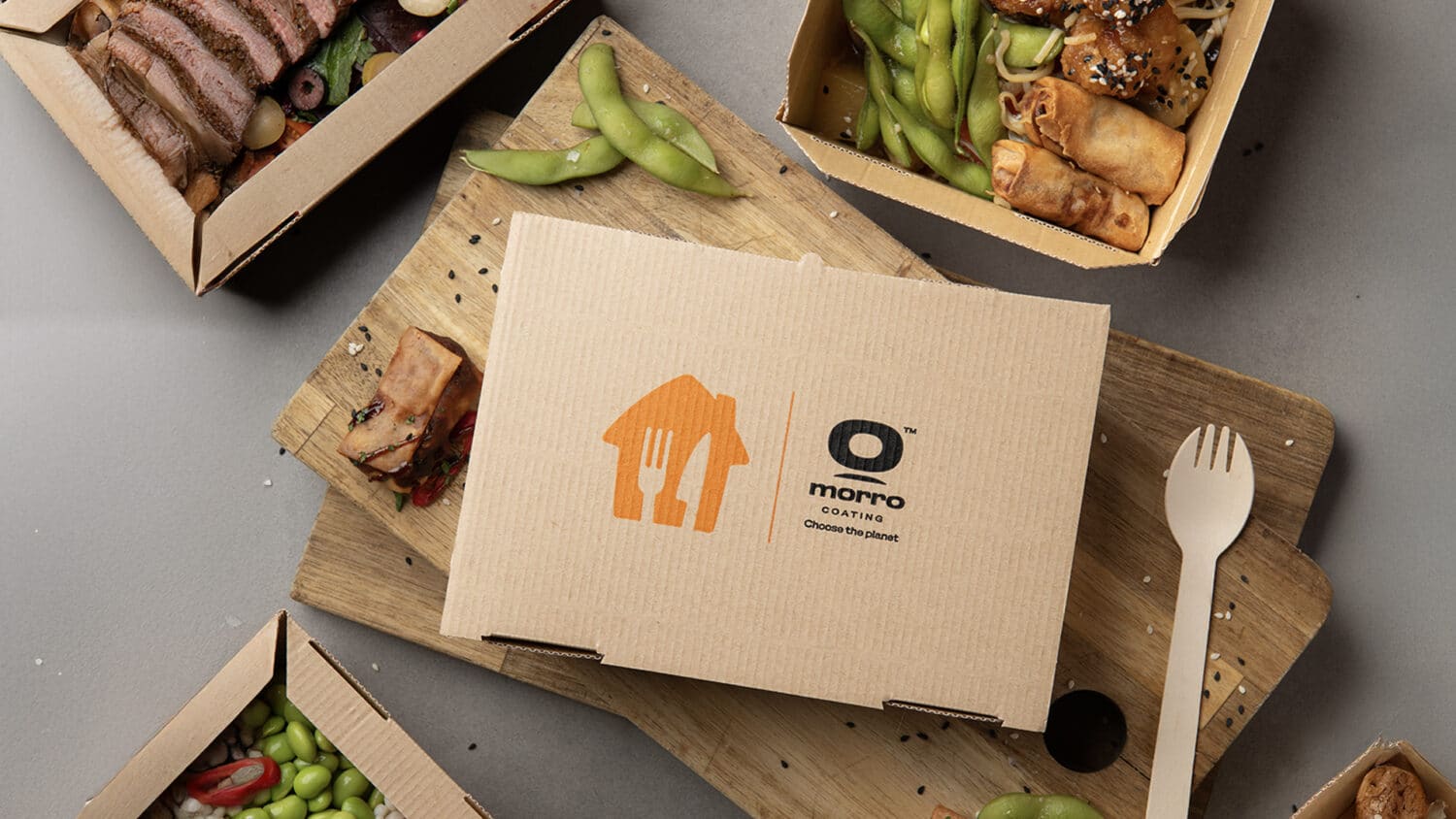
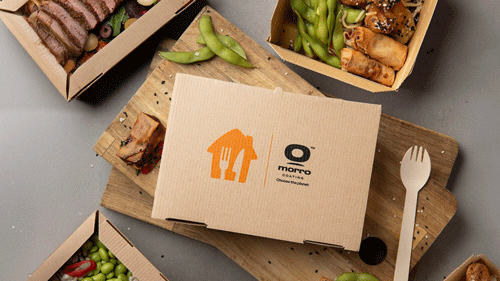 Food delivery platform Just Eat Takeaway.com expanded its partnership with packaging manufacturer Huhtamaki to roll out plastic-free takeaway boxes across 10 European markets. They use Xampla's Morro Coating, a plant protein-based material with no chemical modification, as a replacement for conventional plastic coatings. Made from sustainably sourced corrugated paper, they are also fully recyclable and compliant with the EU's Single Use Plastics Directive. Rollout covers Austria, Belgium, Bulgaria, Switzerland, Germany, Italy, the Netherlands, Poland, Slovakia and Spain.[Image Credit: © Xampla]
Refillable Beauty Packaging Seen As Growth Opportunity
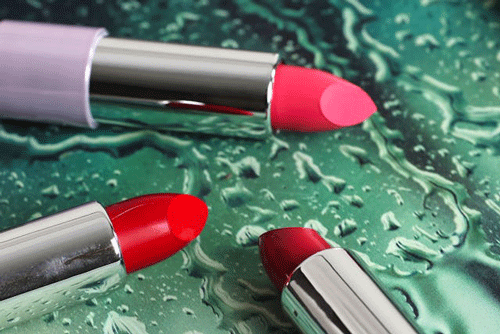 There is a growing commercial case for refillable packaging in the makeup sector. Industry analysts note that refill formats allow brands to retain customers through cartridge repurchases, reduce packaging material costs over time and signal environmental commitment. Refillable products in makeup face greater consumer friction than in skincare, but brands are investing in format design to address these barriers. Refillable packaging is being seen as a strategic priority for makeup brands looking to reduce plastic use and build consumer loyalty.[Image Credit: © Ankush Dawar on pexels.com]
Bamboo Grows As A Plastic Alternative In China
 China is promoting bamboo as a plastic alternative, having launched an initiative in 2022 followed by a three-year action plan to accelerate its adoption. The country holds the world's richest bamboo resources, with nearly 8 million hectares of bamboo forests and over 10,000 bamboo processing enterprises, employing over 29 million people. Experts view bamboo not only as a solution to plastic waste but also as a driver for rural revitalization. [Image Credit: © Vivek on Unsplash]
POLICY, REGULATION & LEGAL
Turkey Drafts Single-Use Plastics Ban For End Of Year
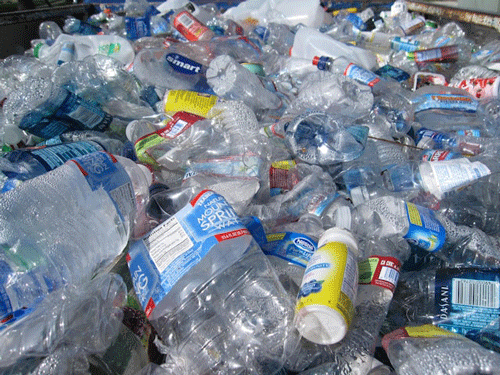 Turkey's Ministry of Environment, Urbanization and Climate Change is finalizing regulations to prohibit the market supply of certain single-use plastic products by the end of 2026, including forks, knives, plates, straws and cotton swabs, as part of its Zero Waste Project. It projects the ban will prevent some 1.5 million tons of CO2-equivalent emissions annually and save around 1.5 billion Turkish lira in waste management costs. The regulation is modeled on the EU's Single-Use Plastics Directive and will go out for consultation with industry and civil society before coming into force.[Image Credit: © Tanvi Sharma on Unsplash]
California's Plastic Law Faces Legal Pressure From Multiple Directions
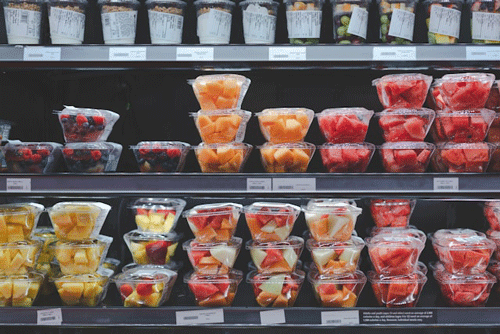 California's landmark single-use plastic law faces legal challenges from inside and outside the state. A federal district court judge placed parts of Oregon’s similar single-use plastic law on hold while considering whether it violates antitrust and consumer protection laws. 10 Republican attorneys general sent letters to companies including Costco, Unilever and Coca-Cola, telling them to stop participating in plastic reduction campaigns and threatening legal action against those engaged in the Plastic Pact, the Consumer Goods Forum and the Sustainable Packaging Coalition. The letters argue that these companies are colluding against consumers by removing products without fully considering product effectiveness or the cost and impact on consumers.[Image Credit: © White.Rainforest on unsplash.com]
US Packaging Policy Roundup: February 2026
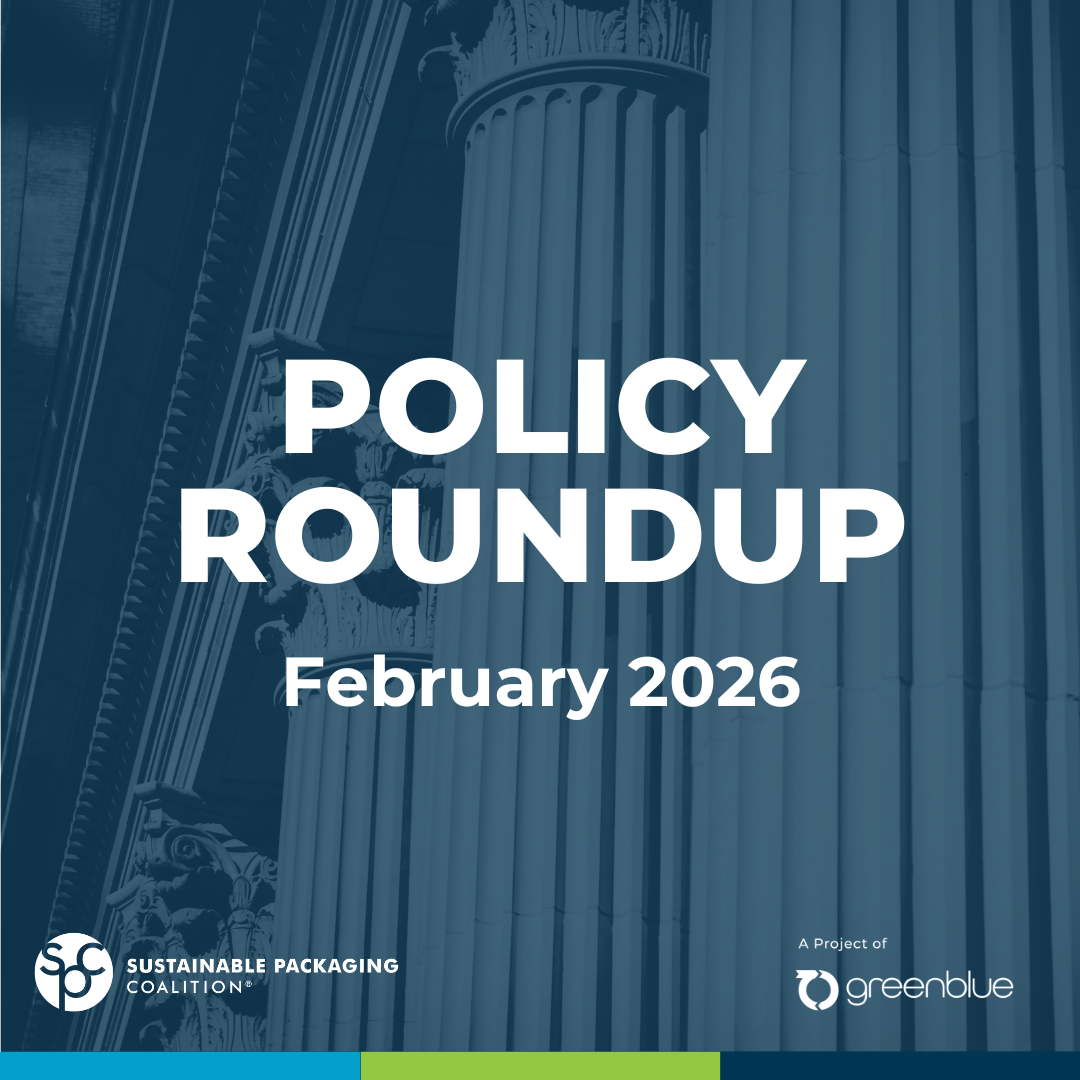
 The Sustainable Packaging Coalition's February 2026 policy roundup covers recent legislative and regulatory developments affecting packaging in the US. Key themes include tension between state-level plastic reduction laws and federal legal challenges, ongoing debates around extended producer responsibility frameworks and the role of the current federal administration in shaping packaging regulation. The roundup also notes activity from Republican attorneys general pushing back against industry participation in voluntary plastic reduction initiatives, and tracks state-by-state progress on single-use plastic restrictions and packaging labeling requirements.[Image Credit: © Sustainable Packaging Coalition]
Germany Tightens Packaging Compliance Rules
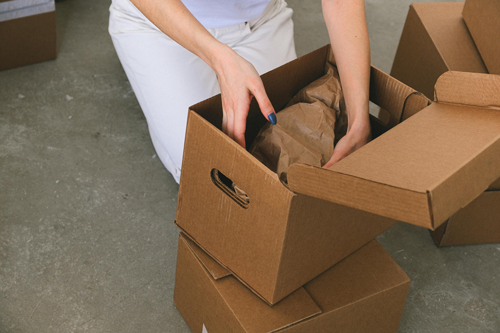 Germany is moving toward stricter packaging compliance enforcement, increasing scrutiny on producer responsibility and reporting accuracy. Companies placing packaging on the German market may face tighter documentation requirements and stronger oversight of recycling obligations, aimed at reinforcing EPR principles and preventing free-riding in the system. The move brings German packaging law into line with the EU PPWR towards harmonized rules on recyclability, recycled content and waste reduction for plastic within the bloc.[Image Credit: © SHVETS production on Pexels.com]
US Congress Moves On Recycled Content Claims

US lawmakers introduced the bipartisan Recycled Materials Attribution Act to establish federal standards for recycled content claims, seeking to clarify how recycled materials can be counted and labeled, while updating the FTC’s Green Guides. Supporters argue it will bring consistency and reduce greenwashing; critics are concerned that it will encourage chemical recycling practices and enable greenwashing through mass balance accounting.[Image Credit: © Jacqui from Pixabay]
Canadian Court Upholds Plastic Regulation
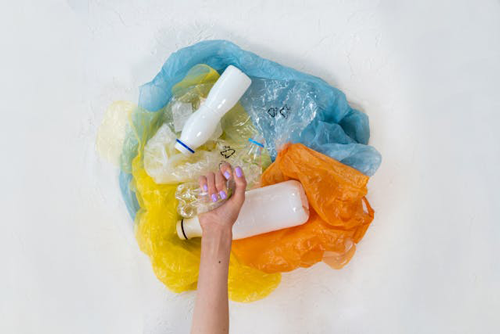 In Canada, the Federal Court of Appeal upheld a federal government decision to regulate plastics as toxic substances, preserving a key tool for managing plastic pollution. The ruling supports continued federal oversight of plastic products and packaging under environmental law. Listing plastic as toxic enables a wide range of regulatory action such as bans, restrictions and mandatory cleanup. [Image Credit: © Mikhail Nilov from pexels.com]
Recycled Plastic Claims Under Fire
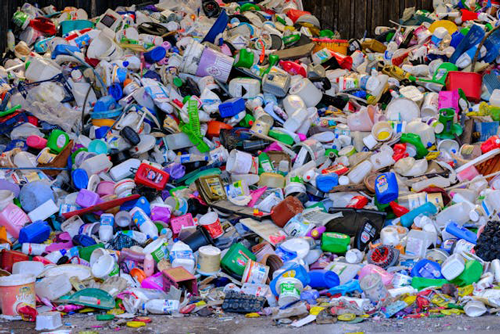 An investigation found that many recycled plastic claims on packaging seen on European supermarket shelves may be misleading or unclear. Experts warn that some labels exaggerate recycled content or fail to explain how materials are sourced, raising concerns about greenwashing and consumer confusion. Critics point to how Big Oil is pushing pyrolysis as a sustainable recycling practice, even though pyrolysis oil must be diluted with 95% virgin naphtha, and how mass-balance bookkeeping misleads consumers into thinking packaging is greener than it is. [Image Credit: © Engin Akyurt from pexels.com]
INNOVATION & TECHNOLOGY
Ellen MacArthur Foundation Calls For Paper Packaging Innovation
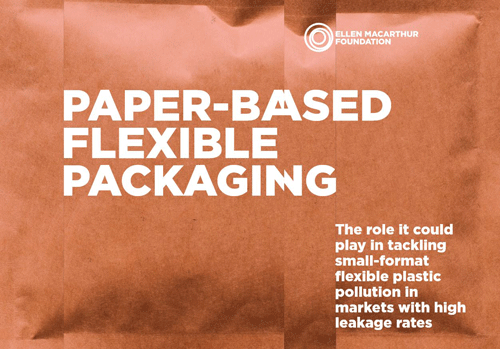 An Ellen MacArthur Foundation report urges businesses and policymakers to accelerate innovation in paper-based alternatives to small-format flexible plastic packaging such as sachets, wrappers and pouches. Flexible plastics account for up to 80% of plastic packaging entering oceans in countries with limited waste collection infrastructure. The Foundation emphasizes that paper is one part of a broader circular economy strategy and not a replacement for systemic change, with reuse models remaining the priority.[Image Credit: © Ellen MacArthur Foundation]
Smartfill Opens Up Refill Dispenser Designs Globally
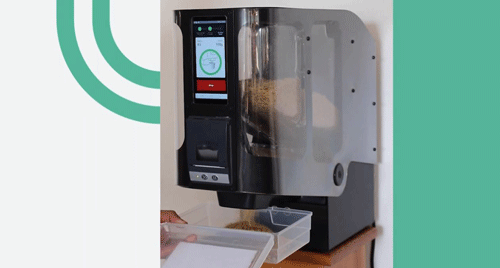 South African refill technology company Smartfill and design firm DY/DX open-sourced the core design and technical architecture of their liquid FMCG dispenser system, a technology developed through the TRANSFORM impact accelerator, in partnership with Unilever and Bopinc. It was first implemented in small shops serving low-income communities in Bangladesh as a replacement for single-use sachets. By releasing designs under a General Public License, the partners aim to reduce hardware costs to below $50 per dispenser. [Image Credit: © Smartfill_DYDX]
RESEARCH
What’s Slowing Reusable Packaging Growth?
 New analysis based on the European Reuse Barometer finds reusable packaging adoption is growing, but far too slowly to meet waste reduction goals. Based on fundings from 115 companies involved in reuse in Europe, it points to inconsistent regulations, lack of standardization, limited infrastructure and higher upfront costs as key barriers. Many brands still prioritize recycling over reuse, even though reuse systems can significantly cut plastic waste and emissions. Clear policy signals, deposit-return systems and financial incentives are seen as critical to scaling reuse. [Image Credit: © New Reuse Alliance]
EU Vote Raises Greenwashing Concerns
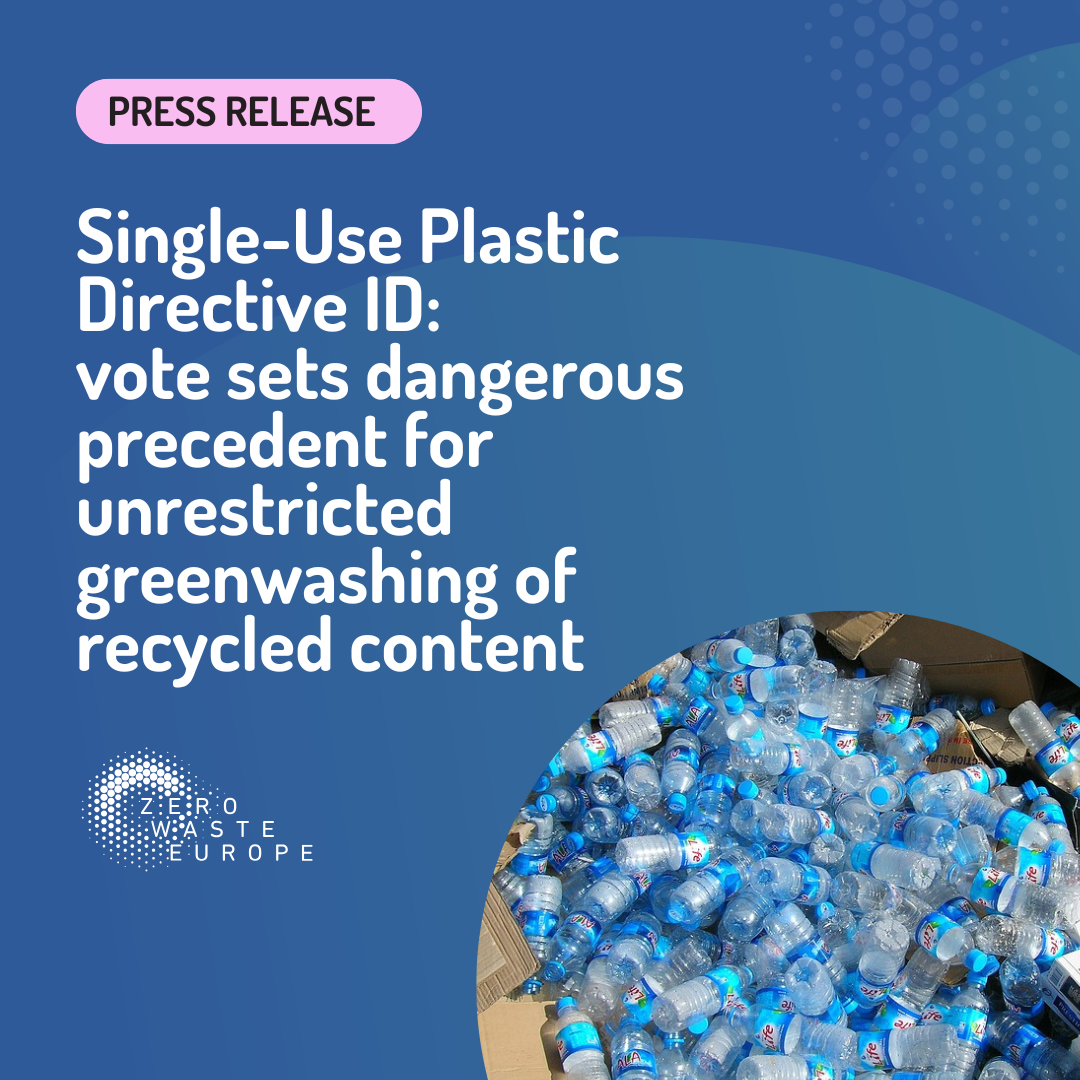
 Environmental groups, including Zero Waste Europe, warn that a recent EU vote related to the Single-Use Plastics Directive could open the door to greenwashing around recycled content claims. Critics argue that the decision weakens safeguards by allowing certain accounting approaches that may overstate recycled plastic use and that it risks undermining trust and slowing real waste reduction progress. Concern surrounds inclusion of a mass balance approach, which critics argue will legitimise greenwashing and reward “non-transparent practices at a moment when we need more traceability to transition safely towards a circular economy”. [Image Credit: © Zero Waste Europe]
OTHER NEWS
Netflix Documentary Examines Microplastics And Fertility
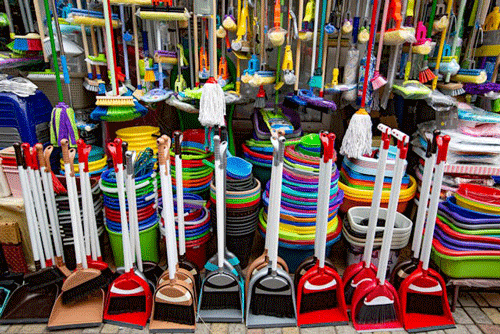 The Plastic Detox, now streaming on Netflix, explores how everyday exposure to plastics and plastic-related chemicals affects health and fertility. It follows epidemiologist Shanna Swan as she guides six couples with unexplained infertility through a 90-day effort to cut their exposure to plastic-related chemicals. The documentary also traces a broader historical narrative about the relationship between corporations and plastics, covering the industry's broken promises, the limits of recycling, environmental damage in specific US communities and legal campaigns to hold polluting companies accountable. [Image Credit: © Victoria Emerson from pexels.com]
EarthX Recognizes 50 Circular Supply Chain Leaders For 2026
 Environmental organization EarthX announced 50 nominees for its 2026 Brand Hero award, which recognizes companies demonstrating leadership in circular and market-based supply chain practices. The nominees span a range of industries and were selected for actions including reducing packaging waste, increasing recycled content, adopting reuse systems and advancing extended producer responsibility. EarthX positions the award as a recognition of commercially viable sustainability, emphasizing that circular supply chain practices can deliver both environmental and business value. SC Johnson is nominated in the Plastic Reduction & Recycling category for expanding post-consumer recycled content and publicly supporting extended producer responsibility. [Image Credit: © EarthX]
Shellworks Raises $15 Million To Scale Plastic-Free Beauty Packaging
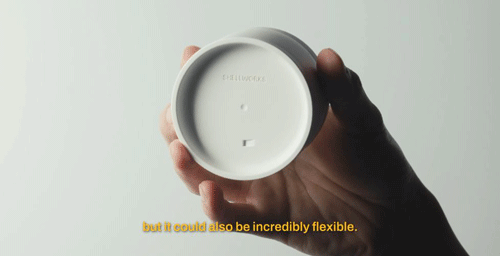 UK biotech company Shellworks raised $15 million to scale up production of its Vivomer plastic-free packaging material for the beauty industry. Vivomer is a bioplastic produced from naturally occurring microbes and claimed to be home compostable and free of conventional petrochemical plastic. Funds will support manufacturing expansion to meet demand from beauty brands seeking plastic-free alternatives to conventional packaging. Shellworks positions Vivomer as a high-performance material that can replace plastic in cosmetics packaging without compromising product protection or aesthetics. Unilever’s Wild is among the brands using the technology.[Image Credit: © SHELLWORKS.]
Audit Names Multinationals Behind Nigeria's Plastic Crisis
.png&width=250&height=165) A nationwide plastic brand audit conducted across eight Nigerian cities by Break Free From Plastic and the Global Alliance for Incinerator Alternatives identified multinational beverage companies as the largest contributors to Nigeria's plastic pollution crisis. Coca-Cola and PepsiCo were identified as the leading multinational companies linked to plastic pollution, with Nestlé, Rite Foods and CWAY Group also named as major contributors. Sachet packaging was the most common plastic waste item found, followed by plastic bottles. [Image Credit: © Tom Fisk on pexels.com]
A nationwide plastic brand audit conducted across eight Nigerian cities by Break Free From Plastic and the Global Alliance for Incinerator Alternatives identified multinational beverage companies as the largest contributors to Nigeria's plastic pollution crisis. Coca-Cola and PepsiCo were identified as the leading multinational companies linked to plastic pollution, with Nestlé, Rite Foods and CWAY Group also named as major contributors. Sachet packaging was the most common plastic waste item found, followed by plastic bottles. [Image Credit: © Tom Fisk on pexels.com]
More...






Copyright 2026 Business360, Inc.