
April 25, 2026
CORPORATE ACTION: Henkel
Henkel Sets 2030 Targets For Recycled Plastic Content And Packaging Recyclability
Henkel’s new sustainability targets, for 2030, include raising the share of recycled materials in consumer packaging to at least 35% (up from 28% currently) and ensuring that 100% of its packaging is designed for recycling, versus 88% today. Henkel says it’s intensifying collaboration with suppliers to raise sustainability standards throughout the supply chain. [Image Credit: © Henkel AG & Co. KGaA]
CORPORATE ACTION: Johnson & Johnson
Aveeno Philippines Launches Body Wash Refill Pouches
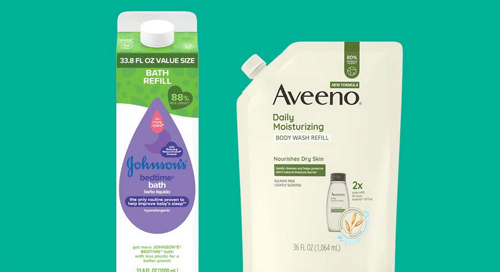 Aveeno’s body wash refill pouches in the Philippines contain 77% less plastic than the standard 532ml bottle and are priced at 20% less. Designed to work with existing Aveeno bottles or other soap dispensers, the pouches contain the same formula as the regular product. The launch coincides with Earth Month.[Image Credit: © Kenvue]
CORPORATE ACTION: Kraft Heinz
Kraft Heinz Pilots UV Tag Technology To Track Plastic Packaging
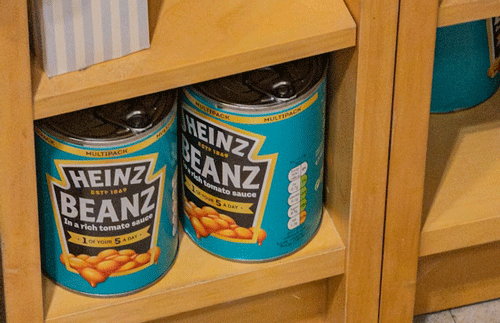
Kraft Heinz in the UK joined Polytag’s Ecotrace program, which applies invisible UV tag technology to single-use plastic packaging to capture data on recycling rates, volumes and waste management routes. Polytag’s CEO Alice Rackley says the program enables “barcode-level data at scale” on single-use plastics placed into household recycling bins. [Image Credit: © Brett Jordan on Unsplash]
CORPORATE ACTION: Procter & Gamble
P&G Redesigns Dawn Platinum Refill Jug To Drive Household Refill Adoption
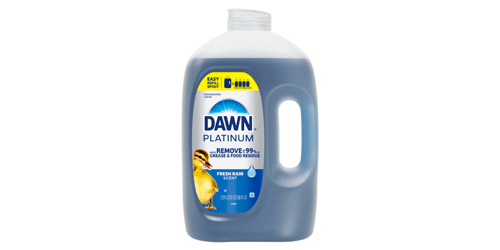 P&G redesigned Dawn Platinum refill jug features a precision-engineered EZ-Pour spout, which, it’s claimed, pours 37% faster and halves the effort required with previous formats. P&G consumer research found that only 12% of US households currently use dish soap refill jugs. With a suggested retail price of $11.88, the new 90oz. jug is designed for use with Dawn EZ-Squeeze bottles. [Image Credit: © Procter & Gamble]
CORPORATE ACTION: Reckitt Benckiser
Reckitt Introduces 75% Paper Dishwasher Tablet Packaging In Australia
 Reckitt’s new largely paper-based packaging format for selected Finish thermoformed dishwashing tablet products in Australia was developed over four years with packaging supplier Mondi. The new pack is 75% paper and designed for kerbside recycling collection. Reckitt says the change could remove up to 48 tonnes of plastic from its annual tablet packaging volumes in Australia. Reckitt expects roughly half of Finish tablet packs sold in Australia to transition to the paper-based format, and the updated packs began appearing in major national grocery chains in March.[Image Credit: © Reckitt]
CORPORATE ACTION: Other
Ripl Efek’s Refillable Aluminum Laundry System Eliminates Single-Use Plastic
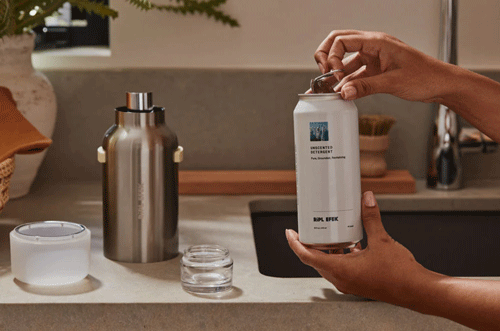 Laundry brand Ripl Efek’s new refillable all-in-one laundry detergent system uses a stainless-steel vessel and an aluminum refill canister to eliminate single-use plastic. The patented vessel includes internal wheels to guide and secure the canister and a zinc spout for dispensing. Both the canisters and the vessel are described as fully recyclable. Ripl Efek is exploring partnerships with global brands, retailers, charities and nonprofits.[Image Credit: © RIPL EFEK]
SC Johnson And WWF Launch Joint Blog Series On Systemic Plastic Waste Solutions
 SC Johnson and WWF launched a joint blog series on BlueParadox.com examining the systemic changes needed to address plastic waste. It covers the structure of the plastic system from design, through to use and recovery, the role of extended producer responsibility policy and examples of cross-sector collaboration. The first article focuses on the state of US plastic waste policy, noting the limitations of fragmented state-level solutions and raises the question of whether conditions for a coordinated national approach could be created. [Image Credit: © S.C. Johnson & Son, Inc.]
Korean Beauty Brand AROMATICA Reports 68 Tons Of Plastic Eliminated Via Refills
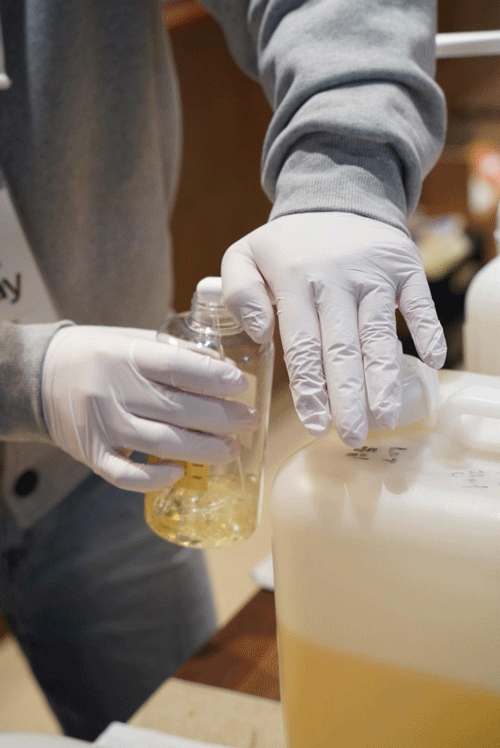
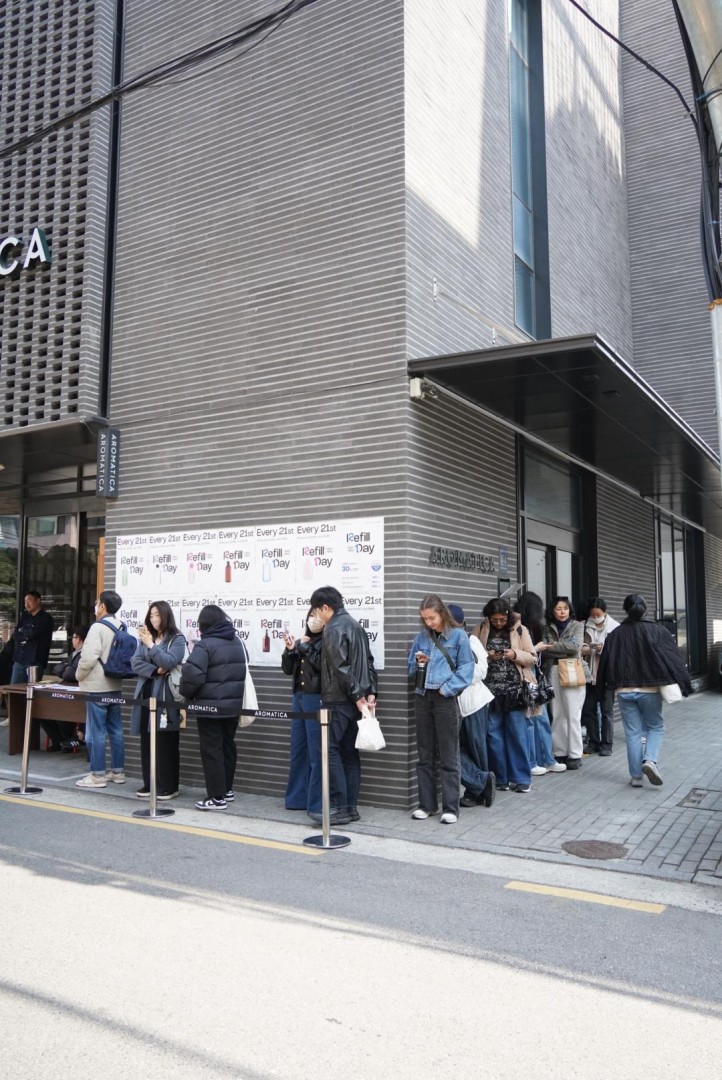
Since launching its “Refill Day” initiative in January 2025, Seoul-based beauty brand AROMATICA reports eliminating a cumulative 68 tons of plastic waste, equivalent to preventing approximately 2.25 million 300ml bottles. On the 21st of each month, at the company’s Seoul headquarters, the program allows customers to bring their own cleaned containers and refill them with AROMATICA’s products, an initiative that has attracted a cumulative total of 10,000 participants. [Image Credit: © ABNewswire]
Sephora And Saie “Planet Beautiful” Campaign Highlights Plastic Waste Recovery
 In the US, clean beauty brand Saie partnered with Sephora for the “Planet Beautiful” campaign during April, targeting removal of 1 million pounds of plastic waste through rePurpose Global. Each participating product purchase triggers a $1 contribution to fund the removal of waste using recovery projects in India, Indonesia, Kenya and Colombia. Twelve beauty brands are participating.[Image Credit: © Deva Darshan on Unsplash]
SC Johnson Funds EarthEcho Marine Plastics Ambassador Program For Third Year
 EarthEcho International, founded by Philippe Cousteau Jr., is launching its largest cohort of Marine Plastics Ambassadors for 2026, funded for a third consecutive year by SC Johnson. It provides participants with advocacy training, mentorship and hands-on policy engagement to advance plastic waste reduction solutions in their local communities. Ambassadors will gather in Washington, D.C., this summer to engage with legislators. SC Johnson Chairman and CEO Fisk Johnson described smart government regulation as a crucial tool in addressing plastic waste. [Image Credit: © EarthEcho International]
CAMPAIGNS, COMMITMENTS & NGOs
Singapore Launches Container Return Scheme; Greenpeace Argues Reuse Must Come First
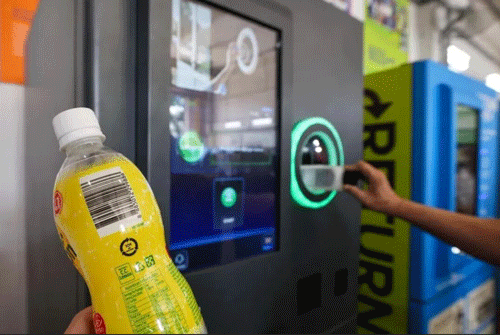 Singapore’s Beverage Container Return Scheme, launched on April 1, 2026, offers consumers a S$0.10 refund for each returned plastic or metal beverage container. More than 1,000 reverse vending machines have been deployed across the country. Additionally, producers or importers face S$0.031 fee per aluminum container and S$0.037 for a plastic container. Malaysia deployed similar machines offering redeemable reward points. Greenpeace Malaysia argues that recycling schemes cannot keep pace with plastic production volumes and calls for corporate accountability and bans on single-use packaging.[Image Credit: © SG Recycle]
CONSUMER & PUBLIC OPINION
Convenience And Simplicity Are Critical For Refill Packaging Adoption
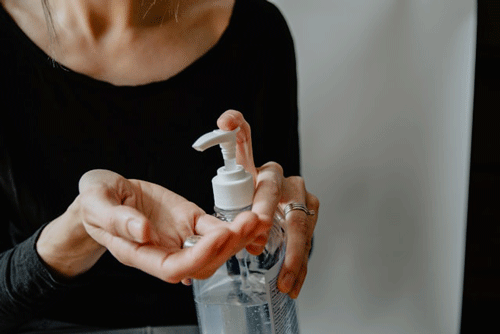 Research from the Sustainable Packaging Coalition, based on a survey of 1,300 American adults, identifies convenience as the strongest driver of refillable packaging adoption, cited by 55% of respondents, ahead of cost savings or sustainability. Under California’s packaging EPR law, brands must move at least 2% of packaging into reusable or refillable formats by 2027, rising to 10% by 2032. 65% of respondents said they have used refillable hand or dish soap, but demand for new refillable solutions is highest in products such as lotions and cleansers. The most important product features are ease of refilling (57%) and durability (42%). [Image Credit: © Kelly Sikkema on Unsplash]
MARKET NEWS
Iran Conflict Disrupts Asia’s Plastic Supply, Accelerates Material Substitution
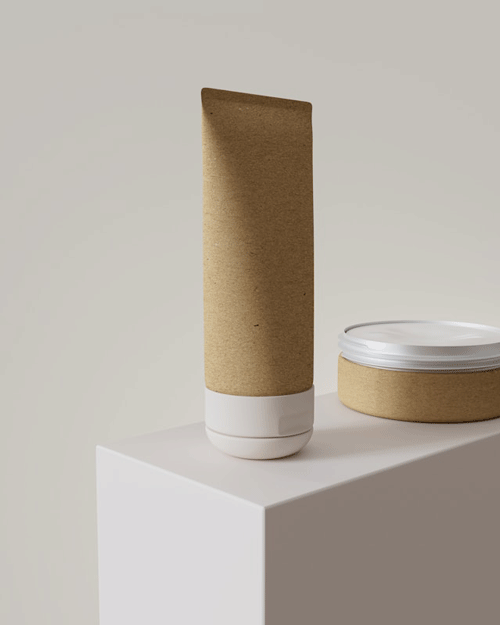
Disruptions to oil and petrochemical supplies caused by the Iran conflict are pushing plastic prices to four-year highs across Asia, prompting some businesses to explore alternatives. South Korean cosmetics packaging supplier Yonwoo reported a threefold increase in inquiries for paper-based options; Malaysian dairy producer Farm Fresh temporarily switched to paper milk cartons due to supply disruptions; and Japanese makers Mitsubishi Chemical and Sanipak announced price increases of around 30% on some plastic products. South Korean face mask packaging manufacturer Gaone warned clients of order backlogs of up to eight weeks and anticipated revenue losses, even if the conflict were to end immediately. [Image Credit: © Bharath Kumar on Unsplash]
POLICY, REGULATION & LEGAL
Massachusetts Senate Passes Wide-Ranging Environmental Bill With Plastic Provisions
 The Massachusetts Senate passed a $3.6 billion environmental bill, S.3050, by a vote of 36–3, with several plastic reduction measures, including banning single-use plastic carryout bags statewide, standardizing policies already in place across 163 municipalities. Retailers would be required to charge at least 10 cents per paper or reusable bag, which can’t contain plastic. Foodservice ware would be offered only upon request. Packaging EPR was not included. The bill now moves to the House.[Image Credit: © MIKE STOLL on Unsplash]
EU PPWR Enforcement Begins In August
 The European Union will start enforcing the Packaging and Packaging Waste Regulation (EU PPWR, Regulation 2025/40) from August 12, with full implementation phased through 2040. It requires all packaging sold in the EU to be recyclable in an economically viable way by 2030 and sets minimum recycled content requirements for plastic packaging. From August, all packaging sold in the EU must be accompanied by a Declaration of Conformity. Rules apply to imported goods and domestically produced packaging. [Image Credit: © Ignat Kushnarev on Unsplash]
RESEARCH
McKinsey Report Finds Packaging Industry Facing Broad Reset On Sustainability
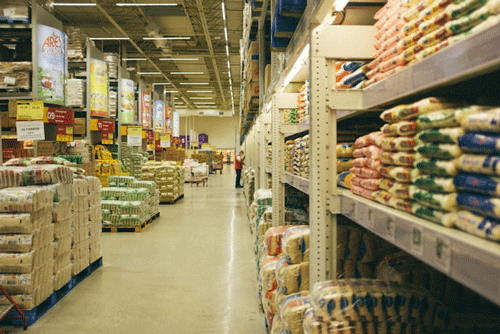 A McKinsey & Co. report describes the packaging industry as experiencing a broad reset driven by a “pressure-verse” of disruptions around supply chain issues, tariffs, sustainability regulations and consumer spending shifts. It found pricing concerns are overtaking sustainability as consumers’ top purchasing priority and identified six barriers slowing sustainable packaging adoption: affordability, performance, lack of alignment on sustainability definitions, regulatory uncertainty, limited supply and incomplete knowledge of available solutions. The authors recommend that packaging companies prioritize commercial excellence, cost discipline, talent development and data and AI capabilities to navigate a period of expected tepid growth.[Image Credit: © Dennis Siqueira on Unsplash]
More...





Copyright 2026 Business360, Inc.