
August 25, 2026
CORPORATE ACTION: Coca-Cola
Coca-Cola And M Mart Launch Bali Recycling Program
 Coca-Cola Europacific Partners Indonesia, Coca-Cola Indonesia and retailer PT Global Retailindo Pratama, which runs M Mart stores, launched a "Recycle Me" initiative, siting PET bottle drop boxes at 20 M Mart locations across Bali. Collected bottles are handled by Mahija Parahita Nusantara and processed at the Amandina Bumi Nusantara recycling facility for use in new packaging. Bali generates roughly 3,436 tons of waste daily, with plastic making up more than 17%.[Image Credit: © Mitra Coca-Cola Europacific/M Mart]
Coca-Cola Adds Digital Tracking To Reusable Bottles
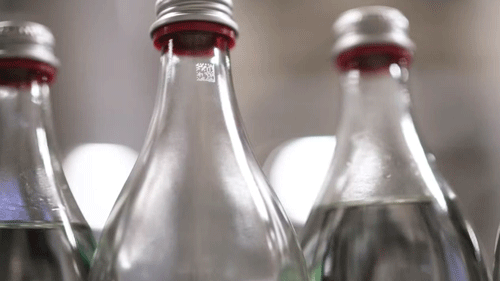 Coca-Cola Europacific Partners Deutschland is engraving a Data Matrix code on each reusable glass bottle during production, working with bottle supplier Vetropack and software provider Myneral Labs. AI-powered cameras read the codes at every pass through the bottling line, building a digital history, recording fill frequency and removal dates for each bottle. Piloted at Bad Neuenahr and expanded to Luneburg, the system covers ViO and Apollinaris 0.75-liter bottles, replacing estimated inventory models with bottle-level tracking. [Image Credit: © Vetropack Holding Ltd]
CORPORATE ACTION: Colgate
Colgate-Palmolive Redesigns Toothbrush Packaging As Recyclable Cartons
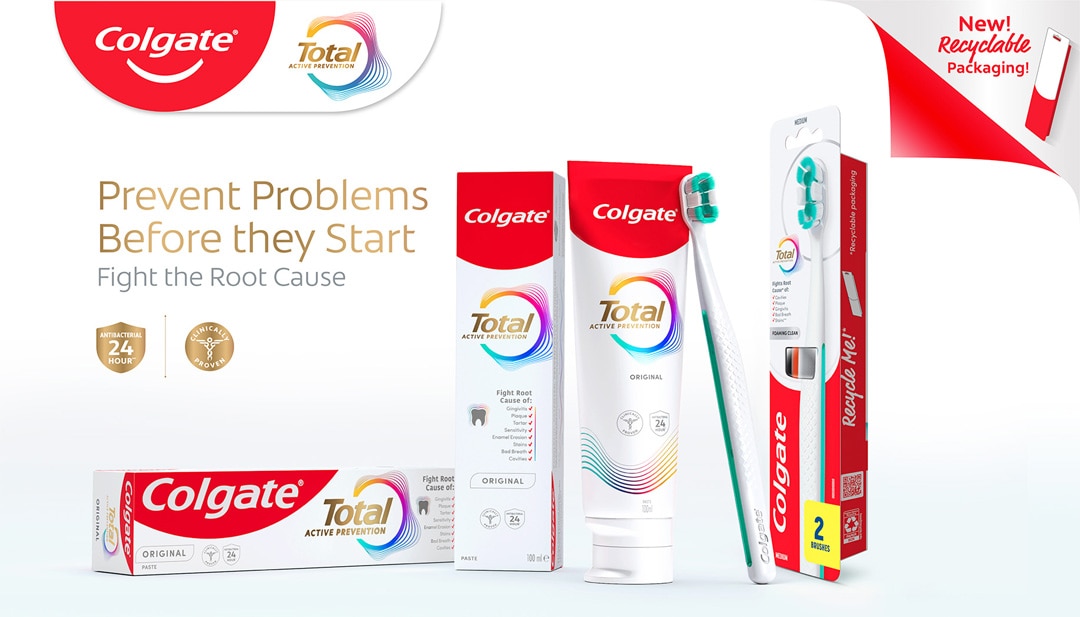
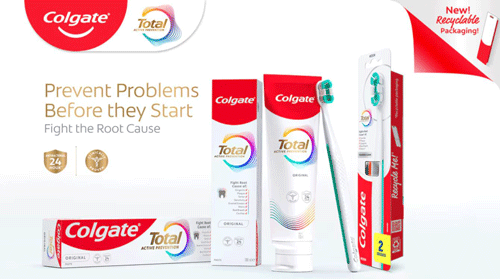 Colgate-Palmolive replaced plastic blister packs with fully recyclable paper cartons for premium manual toothbrushes, featuring a design for easier opening. Testing found the design increased shopping ease by 20%, improved shelf visibility by nearly 10% and lifted purchase intent by 10%. Amanda Klemm, vice president of toothbrushes, said, "People don't always love blister packs. They're hard to open, not just for kids." [Image Credit: © Colgate-Palmolive Company]
Colgate-Palmolive India Hits Recyclable Packaging Targets
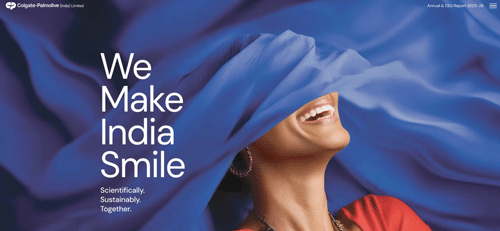 Colgate-Palmolive India reports 100% of Colgate toothpaste made domestically now uses recyclable tubes, with 95% of packaging recyclable, reusable or compostable, under new 2030 targets in its SMILE Strategy. Targets include cutting virgin plastic use by 33% from a 2019 baseline and designing packaging for recycling. [Image Credit: © Colgate-Palmolive Company]
CORPORATE ACTION: Henkel
Persil Switches To A Paper Box For Detergent Discs
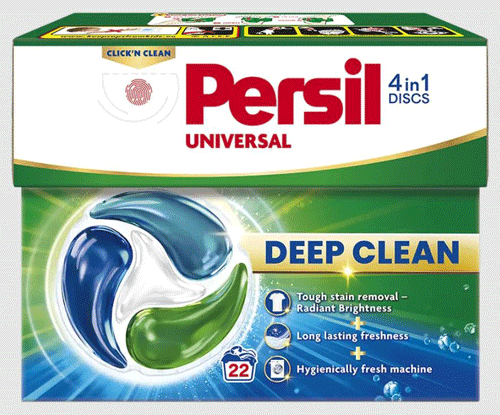 Persil introduced a paper box for 4 in1 Discs detergent, replacing plastic with a design the company says adds convenience and saves resources. An independent handling test found strong support for the new Click'N Clean system versus comparable packaging: 87% of participants said they would consider buying a product sold this way, 80% described handling as particularly easy and 54% said the box was simple to open. When compared against the earlier version, the new box uses 87% less plastic per unit, saving roughly 1,800 tons annually. [Image Credit: © Henkel Central Eastern Europe Gesellschaft mbH]
CORPORATE ACTION: Lush
Lush Expands Package-Free Shower Product Range
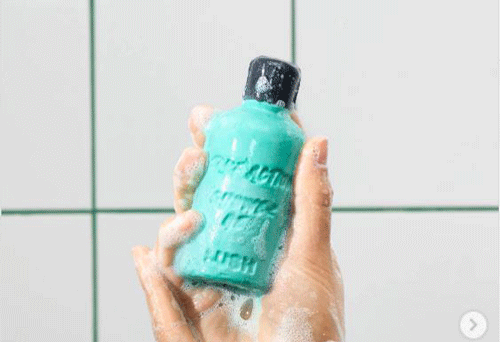
Lush launched five shower gummies and four chromotherapy-inspired solid shower gels across the UK and Ireland, using patented foam technology that produces colored lather on contact with water. Package-free products made up 58% of individual items Lush sold globally in 2025 and the company claims its "naked" formats prevented over 15,000 metric tons of plastic waste since 2005. [Image Credit: © Lush Ltd]
CORPORATE ACTION: PepsiCo
PepsiCo Raises Recycled Content In Plastic Packaging
.png&width=250&height=138) PepsiCo used 2 million metric tons of plastic in 2025, down slightly from 2024. Recycled content across plastic packaging rose to 18%, up three percentage points, and virgin plastic use fell 6%, following a 5% drop in 2024. Updated targets, revised in May 2025, call for a 2% annual cut in virgin plastic through 2030 and at least 40% recycled content by 2035. Recyclable, reusable or compostable packaging stood at 94% in 2025 versus its 97% goal for 2030. [Image Credit: © PepsiCo]
PepsiCo used 2 million metric tons of plastic in 2025, down slightly from 2024. Recycled content across plastic packaging rose to 18%, up three percentage points, and virgin plastic use fell 6%, following a 5% drop in 2024. Updated targets, revised in May 2025, call for a 2% annual cut in virgin plastic through 2030 and at least 40% recycled content by 2035. Recyclable, reusable or compostable packaging stood at 94% in 2025 versus its 97% goal for 2030. [Image Credit: © PepsiCo]
CORPORATE ACTION: Other
Argentine Startup Launches Country's First Refillable Deodorant
 Sufi Latam launched what it describes as Argentina's first refillable deodorant. A reusable applicator pairs with replaceable 50g refills. According to the company, the global beauty and personal care sector generates 120 billion discarded packages yearly, with more than 90% ending up in landfills or oceans. The company’s owner says local manufacturing constraints became an advantage, producing a design with "less material, lower cost, and less environmental impact".[Image Credit: © Sufi]
SC Johnson Reports Progress Cutting Plastic Packaging
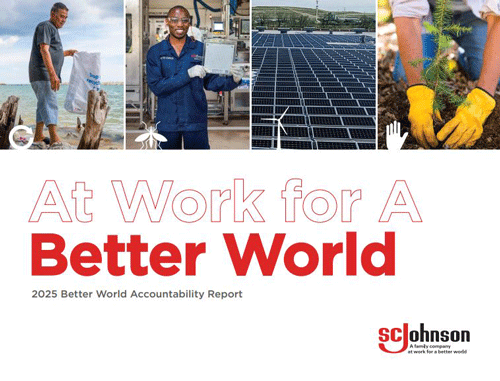
SC Johnson's latest Better World Accountability Report shows post-consumer recycled plastic makes up 25% of its packaging. It also showed a 33% cut in virgin plastic use versus a 2018 baseline. Total plastic packaging fell 15%, with flexible packaging down 69%. 64% of its packaging is reusable or recyclable. [Image Credit: © S.C. Johnson & Son, Inc.]
Coty Adds Refillable Format To Burberry Goddess Line

Coty expanded its Burberry Goddess fragrance line with a new Parfum concentration and extended a refillable packaging format across the range. Coty framed the refillable format as supporting "more sustainable luxury fragrance solutions" while responding to consumer demand for sustainability in prestige beauty. It also described the strategy as a way to strengthen brand loyalty.[Image Credit: © Business Wire, Inc.]
CAMPAIGNS, COMMITMENTS & NGOs
Researchers Propose New Global Plastics Treaty Reporting Framework
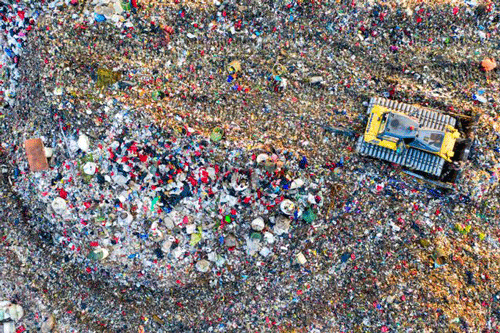 Scientists from UC Santa Barbara, UC Berkeley and China's Tsinghua University put together a proposed reporting framework to close gaps in the draft UN Global Plastics Treaty. Current language avoids the need for countries to report production volumes, chemical additives or pollution data. This new framework would track production and trade by polymer type, additives and product lifespan, as well as waste outcomes including collection and recycling. Talks resume next March.[Image Credit: © Tom Fisk on Pexels.com]
PACKAGING REDESIGNS
Packaging Partners Deliver Refillable Sun Care Stick
 Packaging suppliers Cosmogen and Asquan teamed up with French biotech beauty brand Firn to develop a refillable sun protection product called Stick ReUse. The patented, watertight design, made from polypropylene with an aluminum finish, is compatible with solid skin care, hybrid formulas, color cosmetics and solid fragrance formats. Firn's SPF50+ Invisible Sun Stick will use the refill format. Cosmogen and Asquan say each refill cartridge eliminates 56% of plastic waste compared with conventional packaging.[Image Credit: © FIRN Company]
POLICY, REGULATION & LEGAL
New EU Packaging Rules Restrict PFAS Chemicals
.png&width=250&height=183) New European Union packaging rules took effect on August 12 under the Packaging and Packaging Waste Regulation, replacing national requirements with unified EU standards. One major element centers on food-contact packaging. Packaging containing per- and polyfluoroalkyl substances, or PFAS, above set limits can no longer be sold in the EU. Further provisions phase in over time: a labeling system applies from 2028, and from 2030 rules limit empty packaging space and single-use plastic. [Image Credit: © Chamfjord. on Unsplash]
New European Union packaging rules took effect on August 12 under the Packaging and Packaging Waste Regulation, replacing national requirements with unified EU standards. One major element centers on food-contact packaging. Packaging containing per- and polyfluoroalkyl substances, or PFAS, above set limits can no longer be sold in the EU. Further provisions phase in over time: a labeling system applies from 2028, and from 2030 rules limit empty packaging space and single-use plastic. [Image Credit: © Chamfjord. on Unsplash]
Judge Dismisses Baltimore's Plastic Pollution Lawsuit
 In dismissing Baltimore's lawsuit against major beverage and plastic companies, including Coca-Cola, Pepsi and Nestle, a judge rejected the city's attempt to hold manufacturers liable for plastic pollution found in Baltimore Harbor. The court found the argument flawed for holding companies responsible when consumers choose to discard the products. Baltimore is expected to appeal, but the ruling could discourage similar lawsuits.[Image Credit: © Styves Exantus on Pexels.com]
Trade Group Challenges Colorado's Producer Responsibility Law
 Trade group National Association of Wholesaler-Distributors is challenging Colorado's Extended Producer Responsibility law, marking its third state-level legal challenge over this type of rule. Its earlier challenges targeted comparable programs in Oregon and California, citing the fee-setting structure, which is being delegated to a private organization without, NAW claims, adequate standards or oversight.[Image Credit: © Digital Media Innovations, LLC.]
INNOVATION & TECHNOLOGY
Cosmetics Brands Showcase Refill Innovations Ahead Of New Rules
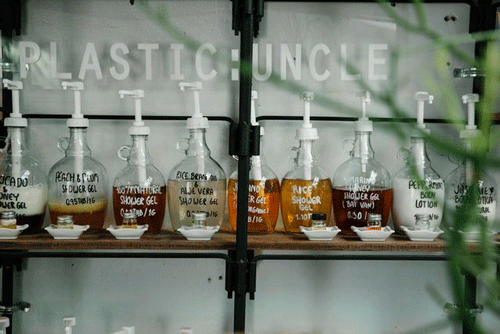 Packaging suppliers and beauty brands will present refill innovations at London Packaging Week this September, as the EU's Packaging and Packaging Waste Regulation and EPR schemes add fees for brands. Amcor plans to display recyclable AmPrima pouches, offered with bio-based or recycled options, alongside its Exclusive Refill sticks. Curve Pack will showcase refillable 30-50ml bottles with glass or aluminum casings and replaceable inner PP containers, while Spectra Packaging will present shaving cream bottles containing 35% Prevented Ocean Plastic material. [Image Credit: © Sarah Chai on Pexels.com]
EMERGING IDEAS, THEMES & TRENDS
Singapore To Get 100 Cleaning Product Refill Stations
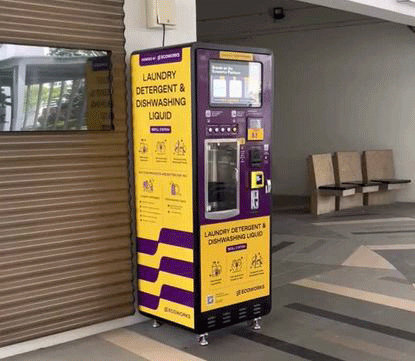 Household product maker Lam Soon partnered with startup Ecoworks to establish more than 100 refill stations for home and laundry cleaners across Singapore. Stations currently operate at two university campuses and a community center, offering Lam Soon's Bio-Home biodegradable cleaning products at a 30% discount on retail prices. Singapore's recycling rate has stalled at about 11%, well short of the government's 2030 target of 70%. Ecoworks says for reuse to scale, we need "convenient, standardized infrastructure in every neighborhood".[Image Credit: © ecoworks.sg]
RESEARCH
Study Links Plastic Ingestion To Seabird Population Decline
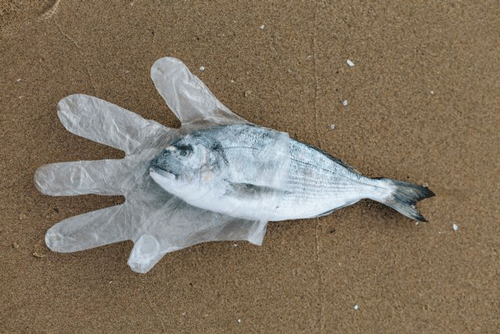
A 15-year Natural History Museum study shows that plastic pollution affects wild animal survival. Tracking Lord Howe Island's sable shearwaters, researchers found consuming just 0.5g of plastic cuts juvenile “recruitment” by 12%; chicks ingesting more than 5g are likely to die at sea and never return. About one-fifth of chicks carried at least 1g of plastic. [Image Credit: © Nataliya Vaitkevich on Pexels.com]
Report Finds UK Plastic Exports Pollute Turkish Farmland
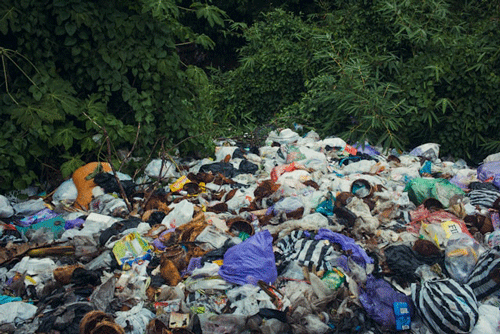 British plastic waste shipped to Turkey is contaminating waterways, crops and air around Adana, the country's agricultural heartland, according to reports on conditions near local recycling facilities. Britain sent 139,000 tonnes of plastic waste to Turkey in 2025, its largest volume in eight years, with 52,000 tonnes in almost 550 shipments from 13 British firms to one zone between 2021 and 2024. Microplastic levels in canal water downstream were found to be up to 10 times those upstream. [Image Credit: © Finlan Aldan on Unsplash]
OTHER NEWS
REUSE Foundation Wins Lottery Funding For East London Refill Project

REUSE Foundation received National Lottery Community Fund support through the Awards For All program to run a 12-month community hub refill pilot in Newham, East London, including a two-month setup phase. Community hubs will host refill stations offering household and personal care essentials at near-cost prices while cutting single-use plastic use. Trustee Roger Sharp said the project is "about making refill part of everyday life, in the places people already trust."[Image Credit: © REUSE Foundation]
More...





Copyright 2026 Business360, Inc.