
October 25, 2026

CORPORATE ACTION: Kraft Heinz
Kraft Heinz Joins Small Plastics Recovery Effort
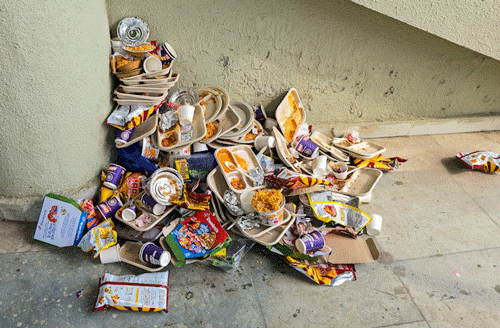 Since 2024, Kraft Heinz has worked with Closed Loop Partners’ Center for the Circular Economy and its Smalls Consortium, which targets small plastic packaging often lost from recycling. Closed Loop’s small-format work now extends to Maybelline New York and parent company L’Oréal Groupe, and is also supported by Procter & Gamble and Target. Kraft Heinz packaging director and North America R&D fellow Linda Roman said small-format recovery is now a proven possibility rather than a theory, adding that better circularity needs thoughtful design, improved recycling infrastructure and collaboration across the value chain.[Image Credit: © Zoshua Colah on Unsplash]
CORPORATE ACTION: L’Oréal
LOréal And Avolta Target Refill By 2030
 L'Oréal Travel Retail and Avolta agreed a joint sustainability-linked business plan at the TFWA World Exhibition in Cannes, aiming for refill formats to reach 10% of fragrance category sales by 2030. The partners cited data showing 80% of Gen Z shoppers want sustainable beauty products in duty free. The plan targets lower transport emissions through low-emission transport modes and optimized truckload capacity.[Image Credit: © L’Oréal S.A.]
L’Oréal Reports Sales Gains From Green Design
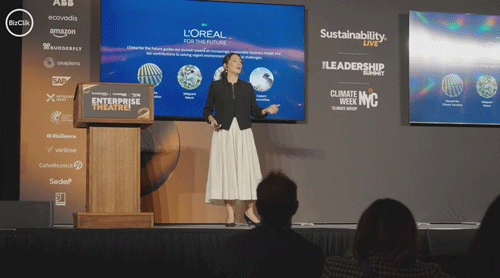 Speaking at Sustainability LIVE during Climate Week NYC, L’Oréal’s North America sustainability chief Marissa McGowan said switching Elvive hair care to bottles made from recycled plastic cut packaging by 27%, saved 320 tonnes of plastic annually and lifted sales by 34%. Kiehl’s refillable packaging saved 110 tonnes of plastic and increased sales by 38%. McGowan said nearly a third of refill customers are new to the brand. [Image Credit: © BizClik Media Limited/Youtube]
CAMPAIGNS, COMMITMENTS & NGOs
CAA Submits 2027 Fee Plan As CEO Departs
 Circular Action Alliance submitted a revised California program plan to CalRecycle on October 13, including proposed producer fee rates for 2027. CAA chief of staff Shane Buckingham said a conditionally approved plan “is considered approved during that period.” More than 2,400 public comments followed a 60-day review period. It’s thought to be a major milestone in implementing SB 54, which is planned to be implemented at the start of 2027.[Image Credit: © Circular Action Alliance]
PACKAGING REDESIGNS
Clean Guy Combines Detergent And Dryer Sheets
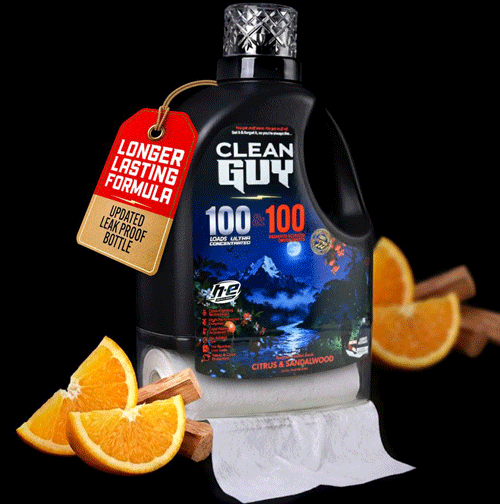
Clean Guy launched patented 2-in-1 packaging holding 100 loads of cold-water detergent and 100 built-in dryer sheets in a single bottle. The concentrated, low-suds formula uses six enzymes, and contains no added dyes. The company says concentrating detergent into a compact bottle and combining it with dryer sheets reduces overall packaging compared with buying separate products.[Image Credit: © Clean Guy]
Experts Debate Challenges Of Personal Care Refill
 At an SPC Advance 2026 session, Sustainable Packaging Coalition director Olga Kachook moderated a discussion on refills. Two emerging refill models are larger refill packages, including pouches, and concentrated cartridges. Amcor data indicate that around two-thirds of consumers bought a refill pouch in the past year, but 86% expect refills to cost less than the original product. One issue raised is that reusable closures confuse consumers and “people aren’t buying the pump separately.” Convenience and durability remain critical, and when pumps break, for example, consumers tend to give up on the refill solution.[Image Credit: © Amcor plc]
POLICY, REGULATION & LEGAL
Germany Drafts New Plastic Packaging Tax Plan
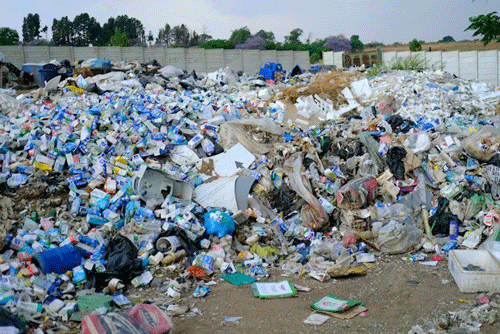 Germany’s Ministry for Finance proposed draft legislation for a plastic tax of €550 per ton on packaging, flexibles and composite materials containing over 5% plastic, with a planned July 2027 start. Recycled plastics could be exempt if producers apply. Environmental group DUH welcomed the move but wants it limited to single-use packaging. Industry bodies PlasticsEurope Germany, IK and VDMA criticized the fast-tracked legislative process. [Image Credit: © Calvin Sihongo on Unsplash]
Canada Top Court To Hear Plastics Ban Case
 Canada’s Supreme Court agreed to hear a case deciding whether Ottawa’s ban on six single-use plastic items, including straws, cutlery and six-pack rings, can remain in force. A 2023 Federal Court ruling found the government’s toxic listing of plastic items too broad, but the Federal Court of Appeal overturned that decision in January, finding the listing reasonable. Environment Minister Julie Dabrusin’s office said the ban stays active pending appeal. [Image Credit: © FlyD on Unsplash]
More...


Copyright 2026 Business360, Inc.